
Sphagnum moss is a wonder moss, its ability to hold water in the landscape, to improve its own boggy ecosystem conditions, great for peatland plant species and great for people.
How do conservation teams know which Sphagnum moss species to plant where to ensure it thrives?
Over 280,000 Sphagnum plug plants (including 180,000 donated by BeadaMoss) have now been successfully planted across three experimental mini-catchments as part of the ‘Sphagnum Lab’, delivered by Moors for the Future Partnership.
This marks a real “lift-off” moment for the project. With baseline data collected and planting now complete, the foundations are in place for long-term research that will help refine best practice in Sphagnum restoration.
The scale of the planting techniques trial is particularly exciting:
• 150+ monitored quadrats
• Two species mixes
• Three planting densities
• Multiple planting strategies (individual plugs vs grouped plugs)
• Tested across both wet and dry conditions

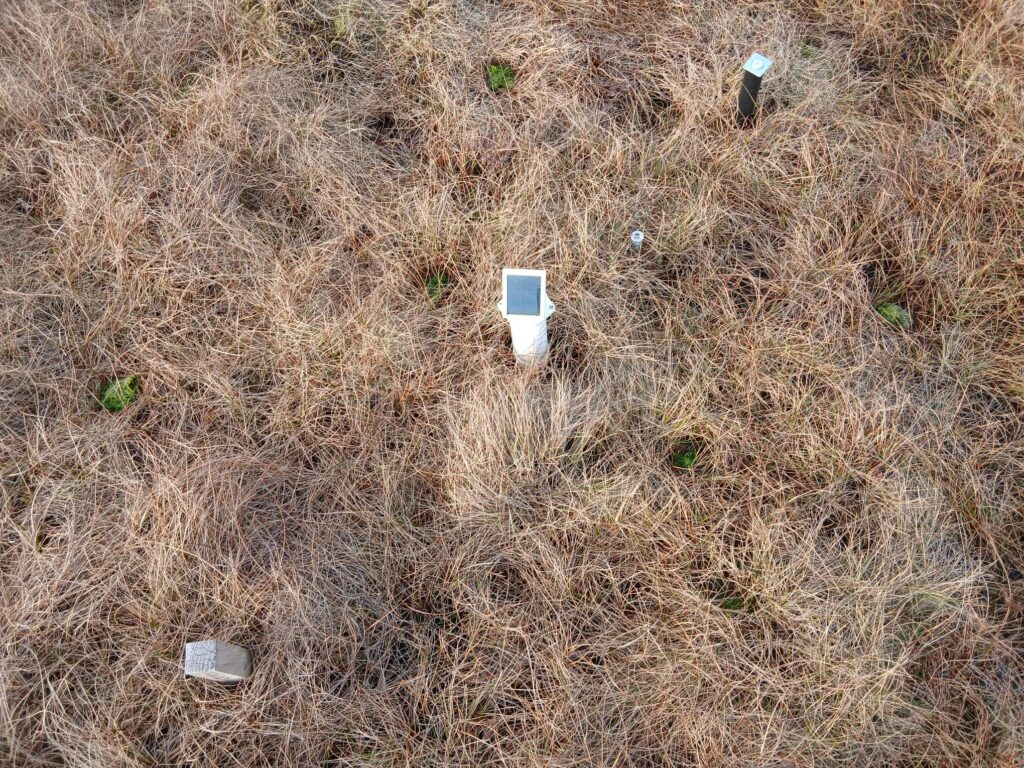
Alongside this, the Sphagnum Lab will enable more detailed research into key areas such as Natural Flood Management. It will also act as a powerful engagement tool for Moors for the Future Partnership and the National Trust, helping bring peatland restoration to life for the public, students, corporates, journalists, and policy-makers.
Projects like this showcase the far-reaching benefits across multiple ecosystem services – from carbon sequestration and biodiversity improvement to wildfire mitigation, while also improving water quality and reducing flood risk.
A big thank you to everyone involved – Tom Spencer, Moors for the Future Partnership, and Rebel Restoration, Peak Park Foundation, Severn Trent – for delivering this phase of the project.
We’re proud to support this work and look forward to seeing the results develop over the coming seasons.
Please follow BeadaMoss for further updates!