Category: Sphagnum Moss

  • A huge milestone in bog-building Sphagnum research met!

    A huge milestone in bog-building Sphagnum research met!

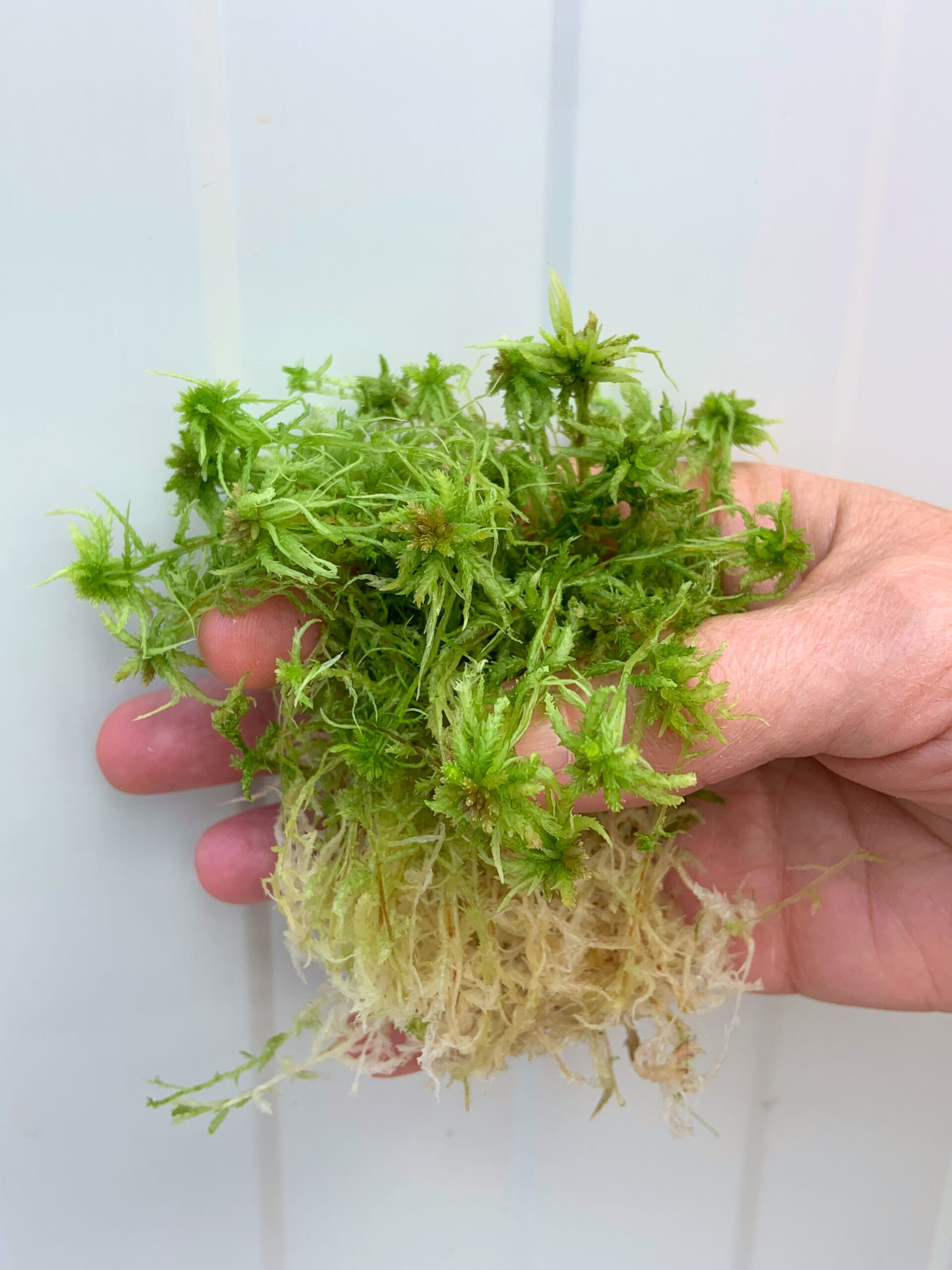
    Sphagnum moss is a wonder moss, its ability to hold water in the landscape, to improve its own boggy ecosystem conditions, great for peatland plant species and great for people.

    How do conservation teams know which Sphagnum moss species to plant where to ensure it thrives?

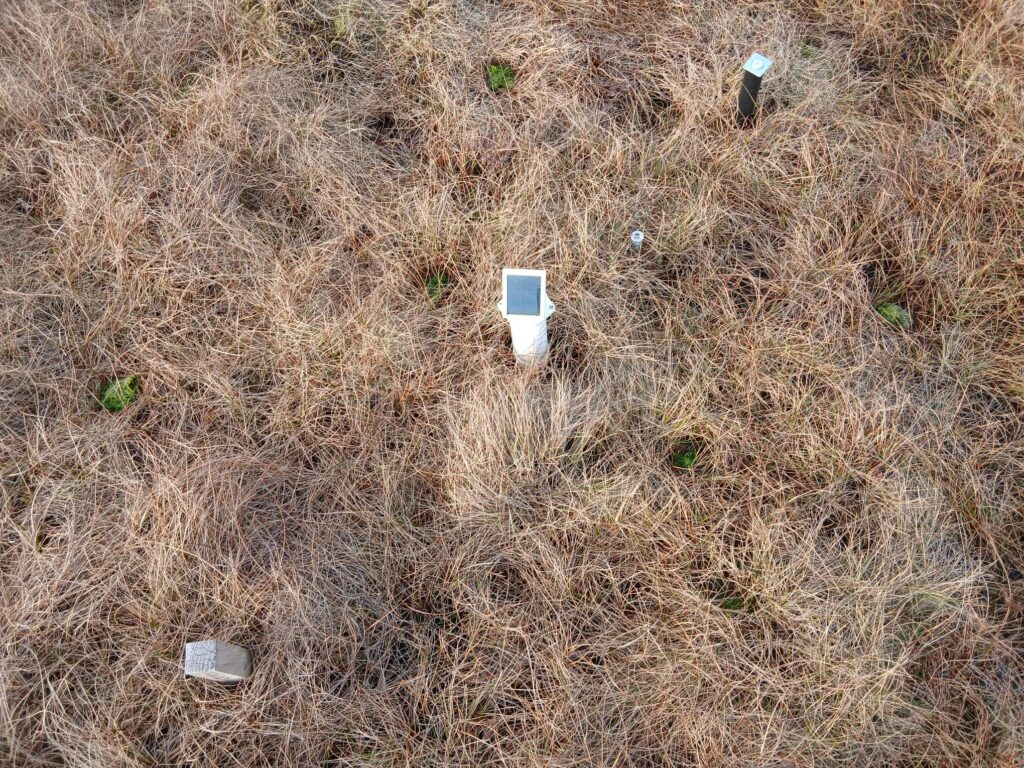
    Over 280,000 Sphagnum plug plants (including 180,000 donated by BeadaMoss) have now been successfully planted across three experimental mini-catchments as part of the ‘Sphagnum Lab’, delivered by Moors for the Future Partnership.

    This marks a real “lift-off” moment for the project. With baseline data collected and planting now complete, the foundations are in place for long-term research that will help refine best practice in Sphagnum restoration.

    The scale of the planting techniques trial is particularly exciting:
    • 150+ monitored quadrats
    • Two species mixes
    • Three planting densities
    • Multiple planting strategies (individual plugs vs grouped plugs)
    • Tested across both wet and dry conditions


    Alongside this, the Sphagnum Lab will enable more detailed research into key areas such as Natural Flood Management. It will also act as a powerful engagement tool for Moors for the Future Partnership and the National Trust, helping bring peatland restoration to life for the public, students, corporates, journalists, and policy-makers.

    Projects like this showcase the far-reaching benefits across multiple ecosystem services – from carbon sequestration and biodiversity improvement to wildfire mitigation, while also improving water quality and reducing flood risk.

    A big thank you to everyone involved – Tom Spencer, Moors for the Future Partnership, and Rebel Restoration, Peak Park Foundation, Severn Trent – for delivering this phase of the project.
    We’re proud to support this work and look forward to seeing the results develop over the coming seasons.

    Please follow BeadaMoss for further updates!

  • BeadaHumok® Sphagnum: Not Sterile but Selective.

    BeadaHumok® Sphagnum: Not Sterile but Selective.

    “BeadaHumok® are sterile.”
    We hear that a lot.

    But here’s the reality:
    Clean doesn’t mean empty.
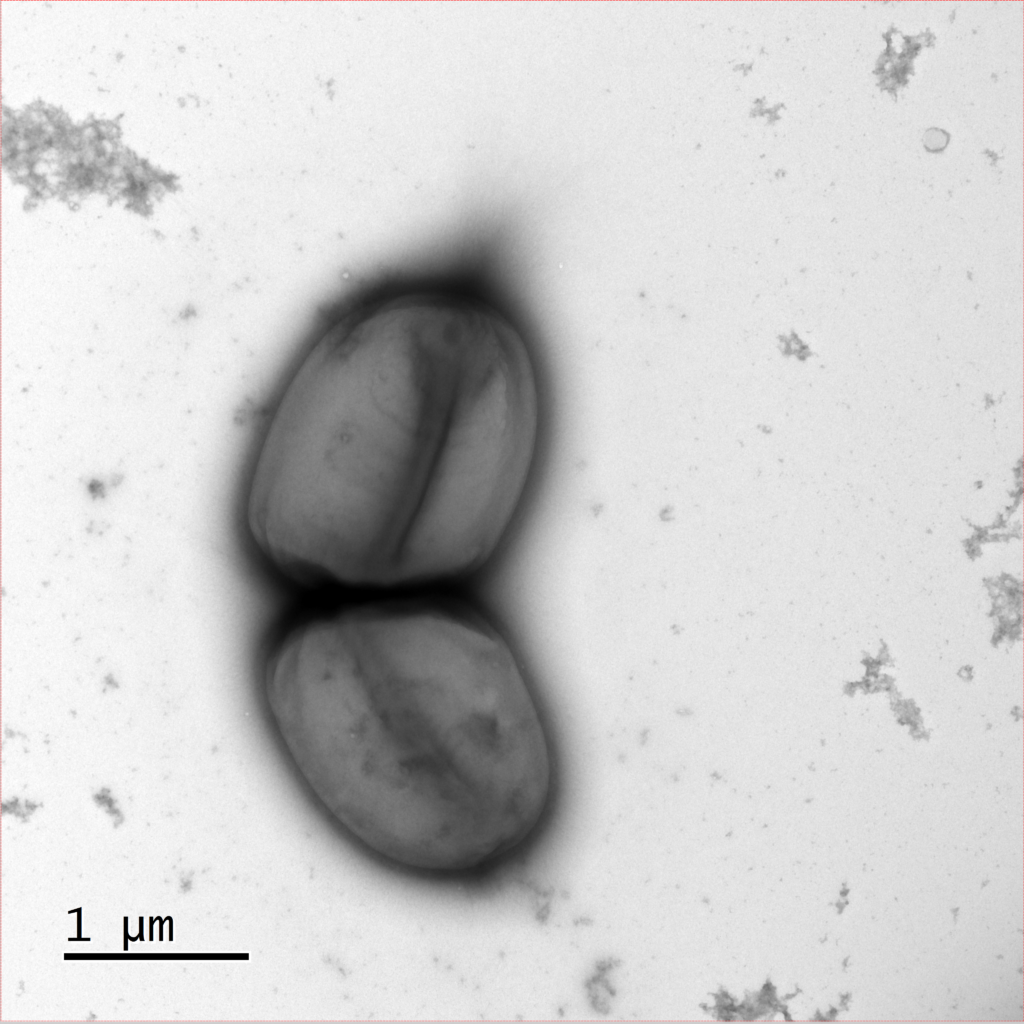
    Wild translocation moves everything – the good microbes, the bad pathogens, invasive seeds, pests. It’s biologically rich… and biologically unpredictable.

    Sphagnum biome photo credit Allen Gao


    BeadaHumok® takes a different path.

    We reduce harmful elements while retaining functional biology – including proven methanotroph presence. That means supporting the processes peatlands rely on, without importing unnecessary risk.

    The real question isn’t:
    “Does it have a biome?”
    It’s:
    “What kind of biome are we introducing?”

    Restoration shouldn’t be random. It should be intentional.


    Full article here:
    https://lnkd.in/ex4CMppg
    Credit to Jiacheng Gao for the video and photos

  • BeadaMoss catch up with Manchester Met Uni

    BeadaMoss catch up with Manchester Met Uni

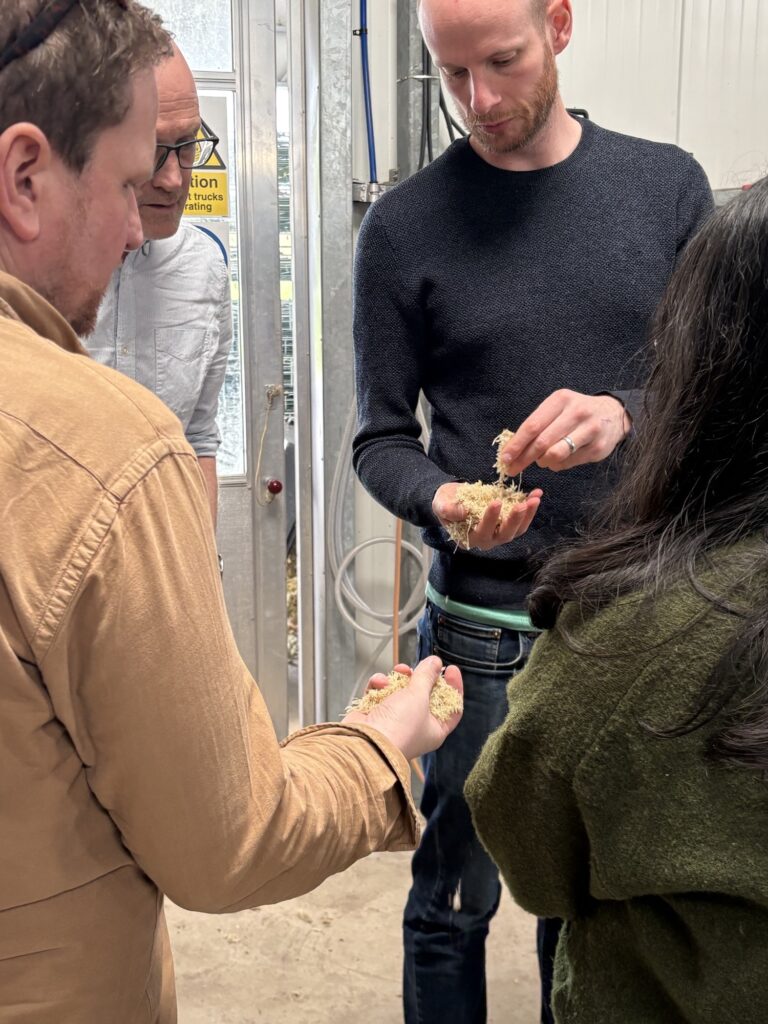
    Great to host a visit from our friends at The Manchester Metropolitan University, to catch up with Chris Field, Fraser Baker & Bidhya Sharma. We are collaborating on the Horizon Palus Demos Project, in which we are scaling up Sphagnum Farming for use as a peat free alternative in horticulture. We’re looking forward to sharing results soon!

  • BeadaMoss out on the bog with Yorkshire Peat Partnership

    BeadaMoss out on the bog with Yorkshire Peat Partnership

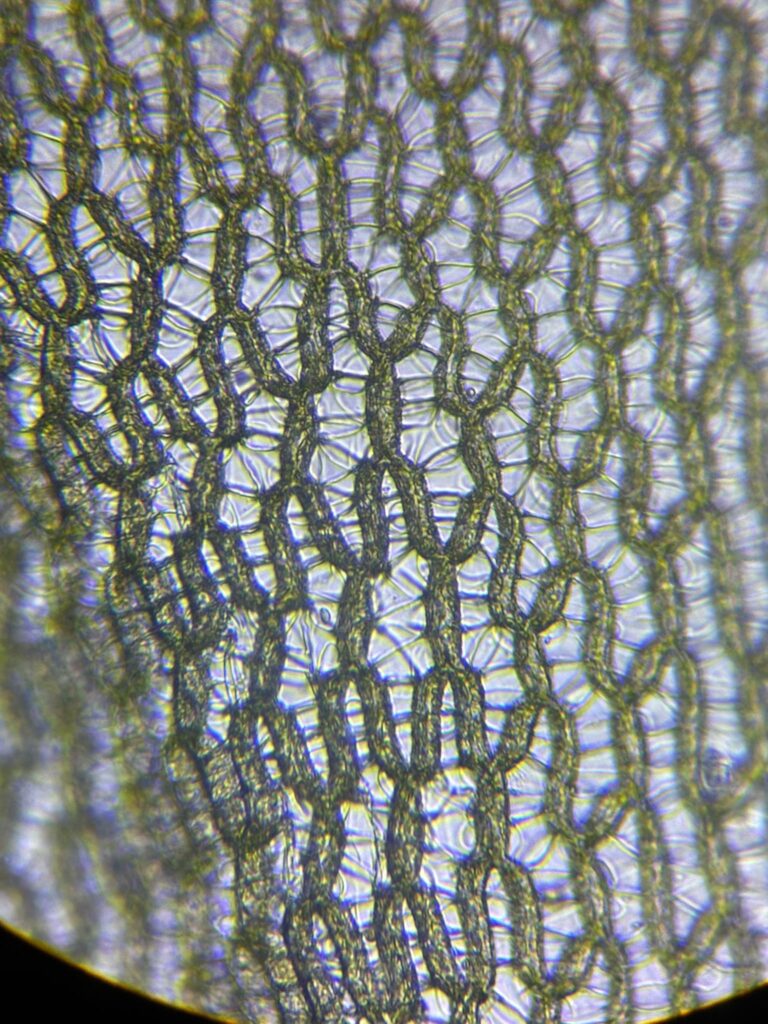
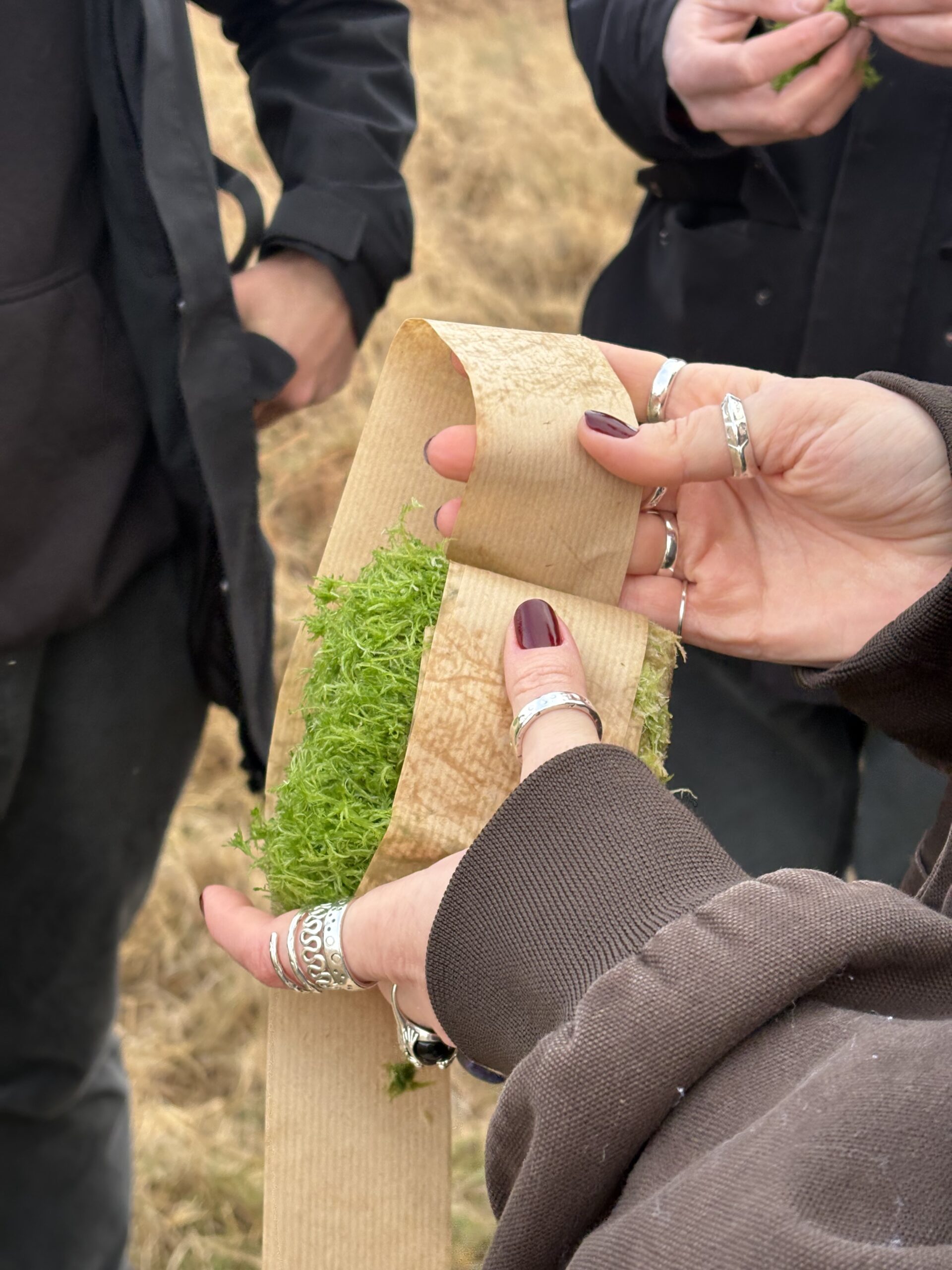
    We had such a fun, informative few days on Yorkshire Peat Partnership‘s ‘Blanket Bog Indicator Species’ and ‘Introducing Sphagnum Moss’ training courses last month! We always love spending time on the bog, but it was particularly useful to have the opportunity to refresh our Sphagnum identification skills. It was also fascinating to observe the hyaline cells under a microscope.


    Thank you so much for having us Yorkshire Peat Partnership, and a big thank you to Beth Thomas for delivering two fantastic courses. If you have the opportunity to, we would highly suggest booking onto both!

  • BeadaMoss visit Richmond Park for Sphagnum Moss reintroduction project

    BeadaMoss visit Richmond Park for Sphagnum Moss reintroduction project

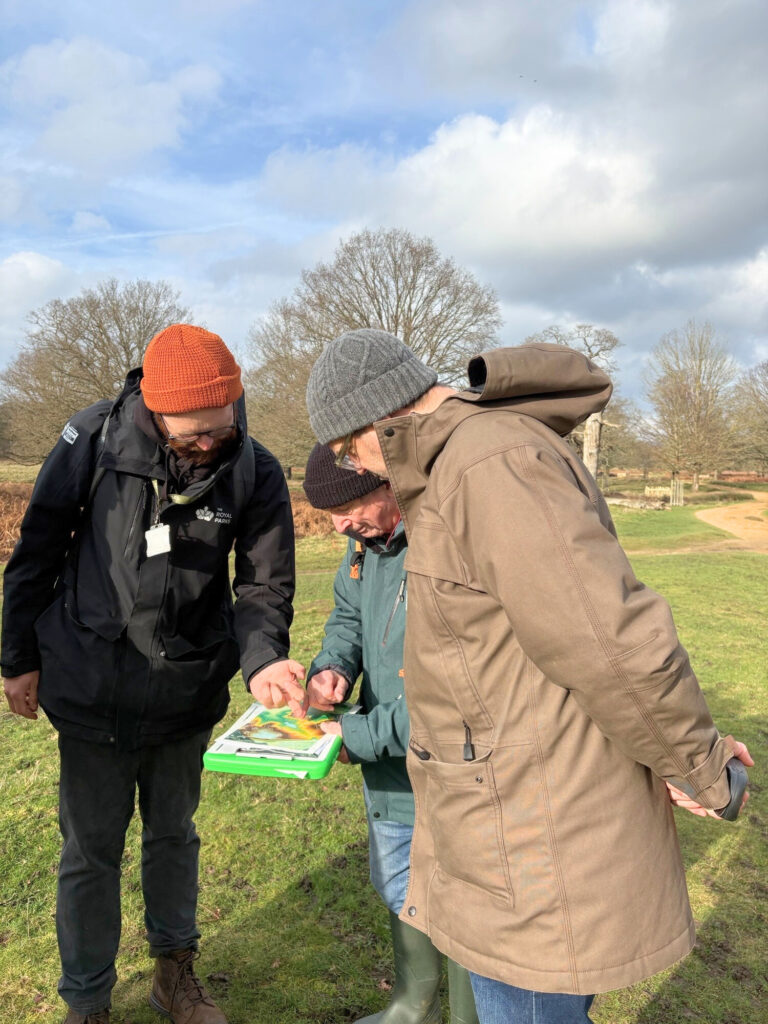
    We had a fantastic start to the week thanks to The Royal Parks, who invited us on a site visit to Richmond Park in preparation for a project to reintroduce Sphagnum moss to the area.

    A big thank you to Bobby, Peter and Holly from The Royal Parks for giving us a tour around the boggier spots of this impressive park.

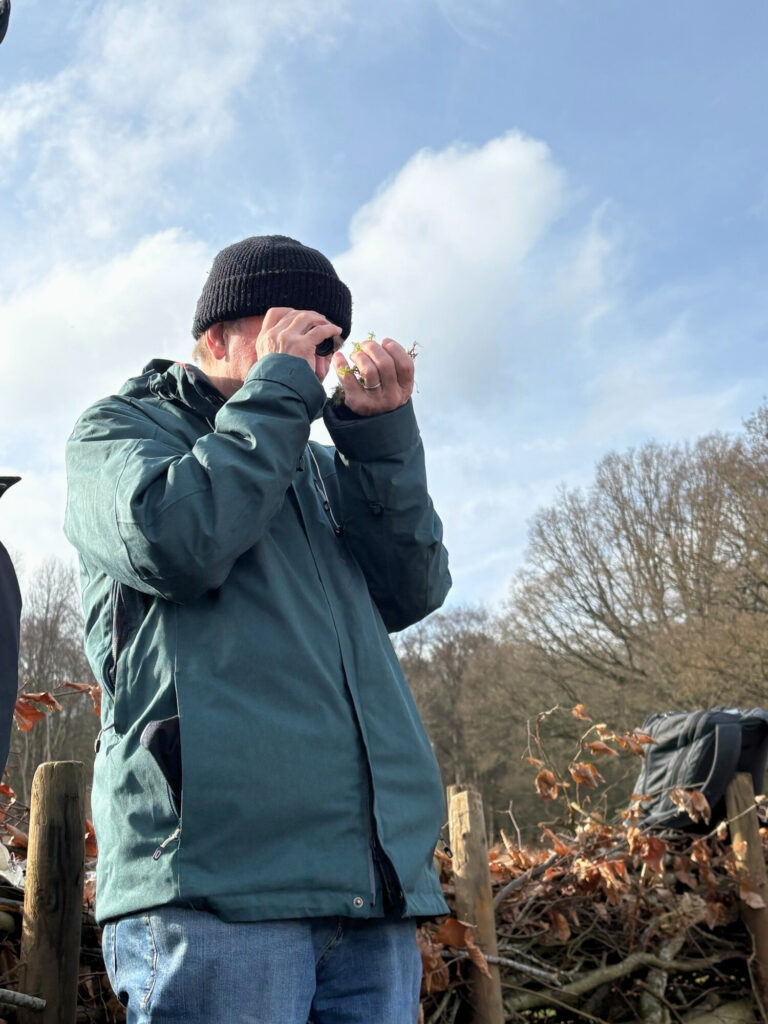
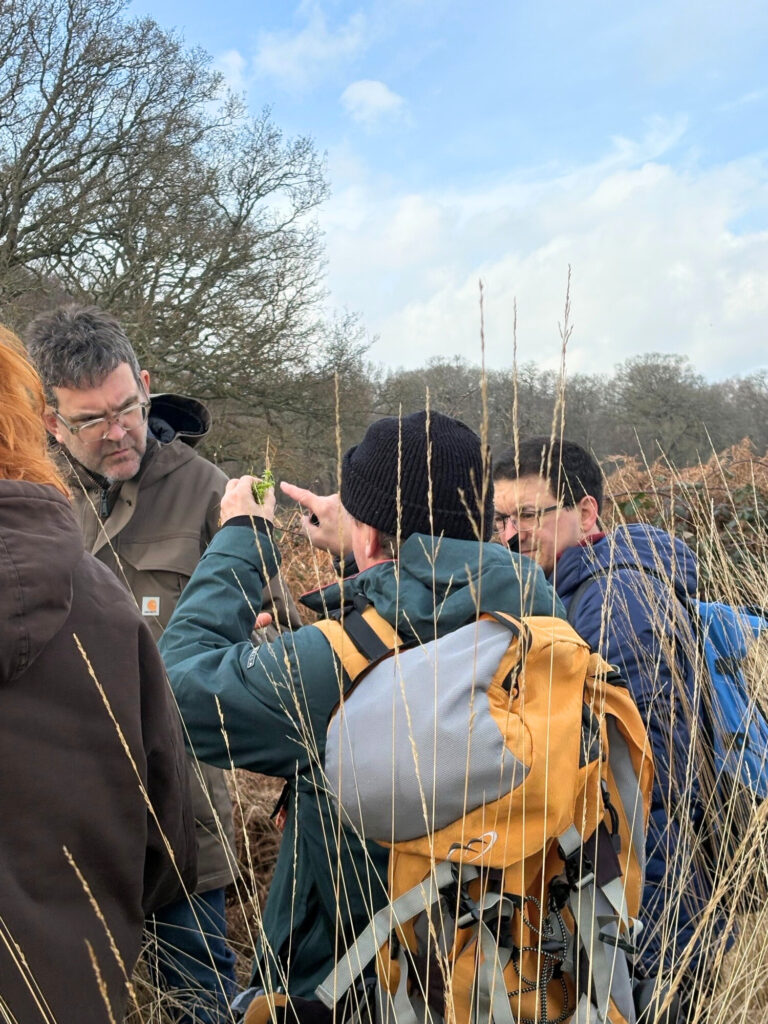
    And another big thank you to Richard Lindsay and Jack Clough from University of East London for joining us, providing us with their Sphagnum identification expertise and for showing us how amazing Sphagnum looks under a microscope.

    Such a valuable, knowledge-sharing experience. We can’t wait to collaborate further on such an exciting project!

  • BeadaMoss supply their 25 Millionth BeadaHumok®

    BeadaMoss supply their 25 Millionth BeadaHumok®

    BeadaMoss have just supplied their 25 millionth BeadaHumok® for peatland restoration across the UK and Northern Europe! 🎉

    A huge thank you to all of our partners for enabling us to contribute and support the restoration of one of the world’s most important ecosystems, from upland bogs to lowland peatlands.

    Please follow our LinkedIn page for further updates on the world of Sphagnum, including news of incredible peatland restoration projects, the latest academic studies and more.

    For further information regarding our Sphagnum restoration work, click the link below: https://beadamoss.com/peatland-restoration-our-work/

  • ‘The most important plant in the world’ selected for the 2025 Frome International Climate Film Festival

    ‘The most important plant in the world’ selected for the 2025 Frome International Climate Film Festival

    We’re delighted that ‘The most important plant in the world’ by Caroline Vitzthum has been selected for the 2025 Frome International Climate Film Festival and has recently been screened at the Little Tree Cinema in Frome. It is also currently showing in LIMBO, a group exhibition on peatlands as terrains in flux at De Proef. (Drenthe, NL). The exhibition is initiated by RE-PEAT, and the film showing will run until 7th December. You can find out more here: https://www.iucn-uk-peatlandprogramme.org/news/re-peat-presents-limbo-collective-exhibition-peatlands-terrains-flux

    The film, commissioned by IUCN UK Peatland Programme, focuses on a collaboration between Moors for the Future Partnership and BeadaMoss to reintroduce Sphagnum moss to a peatland site in the Peak District.

    It first premiered at the IUCN UK Peatland Programme’s Peatlands, People, and Nature conference in Aviemore in September 2024.

    A bird's eye view of solar panels on the BeadaMoss greenhouse.
    Screenshot

    The link to the full film can be found below – we would highly recommend giving it a watch!

    For more information regarding our BeadaHumok and our Sphagnum restoration work, please see the link below: https://beadamoss.com/peatland-restoration-our-work/

  • BeadaHumok® Sphagnum plugs showcased on CountryFile

    BeadaHumok® Sphagnum plugs showcased on CountryFile

    “I never knew plugging moss could make me so happy” says Anita Rani.

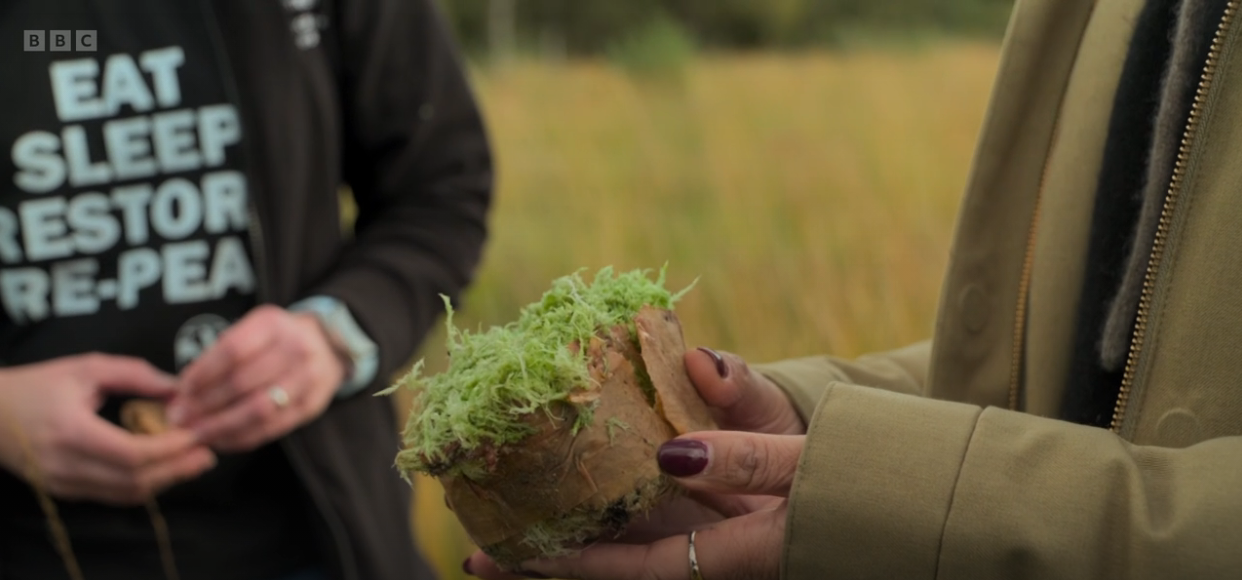
    We couldn’t have asked for a better way to start the week than seeing Sphagnum moss getting the attention it deserves on the latest episode of Countryfile! A huge shout out to Sian Russell and the team at Somerset Wildlife Trust for their hard work planting our BeadaHumok® Sphagnum plugs on Westhay Moor.

    With millions of viewers per episode, we’re delighted that Sphagnum moss and the benefits it provides to peatland restoration can be brought to a wider audience through a programme like Countryfile.

    Check out Sunday’s episode here if you didn’t catch it:

    https://lnkd.in/gCRwdr-X

  • Peatland planting season is well underway

    Peatland planting season is well underway

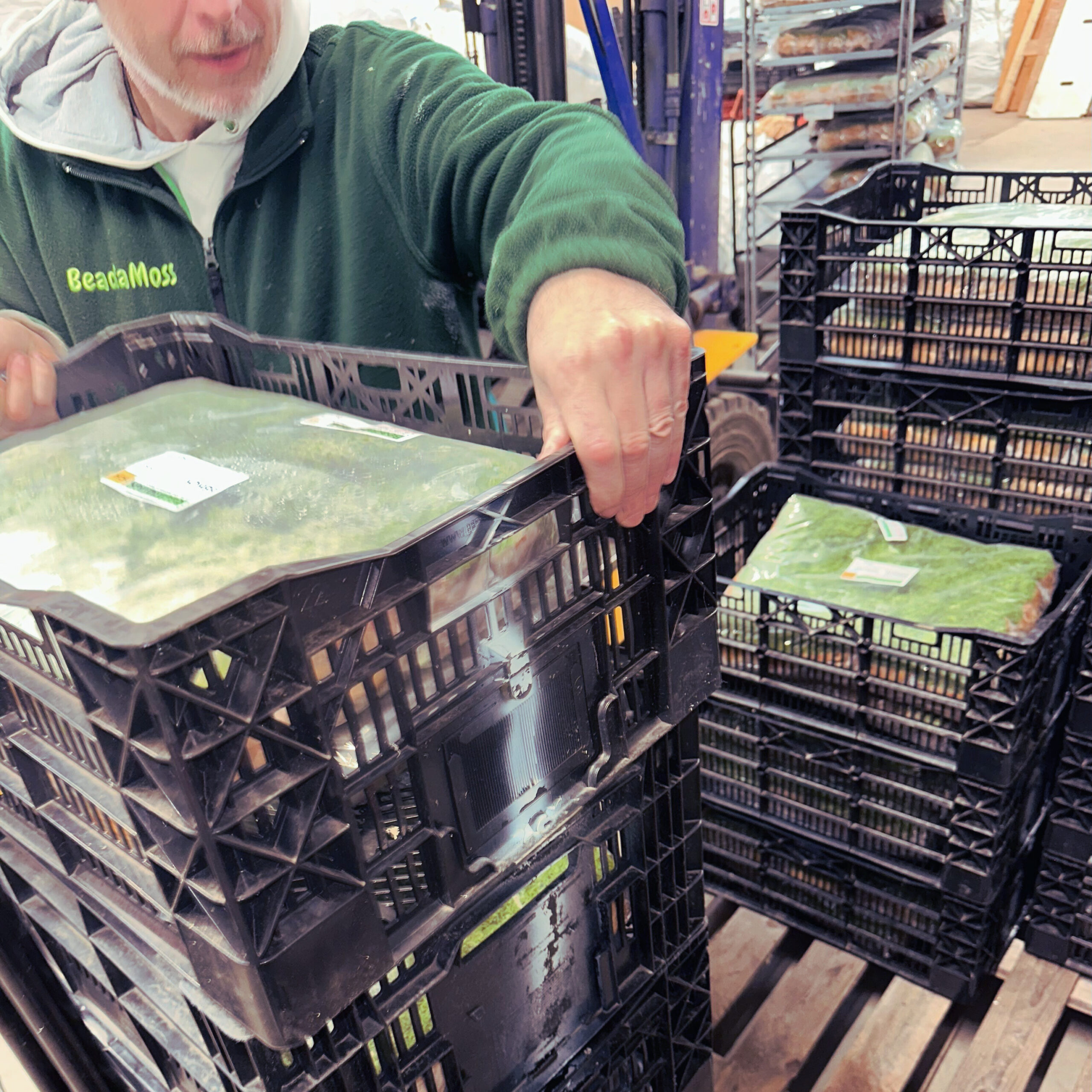
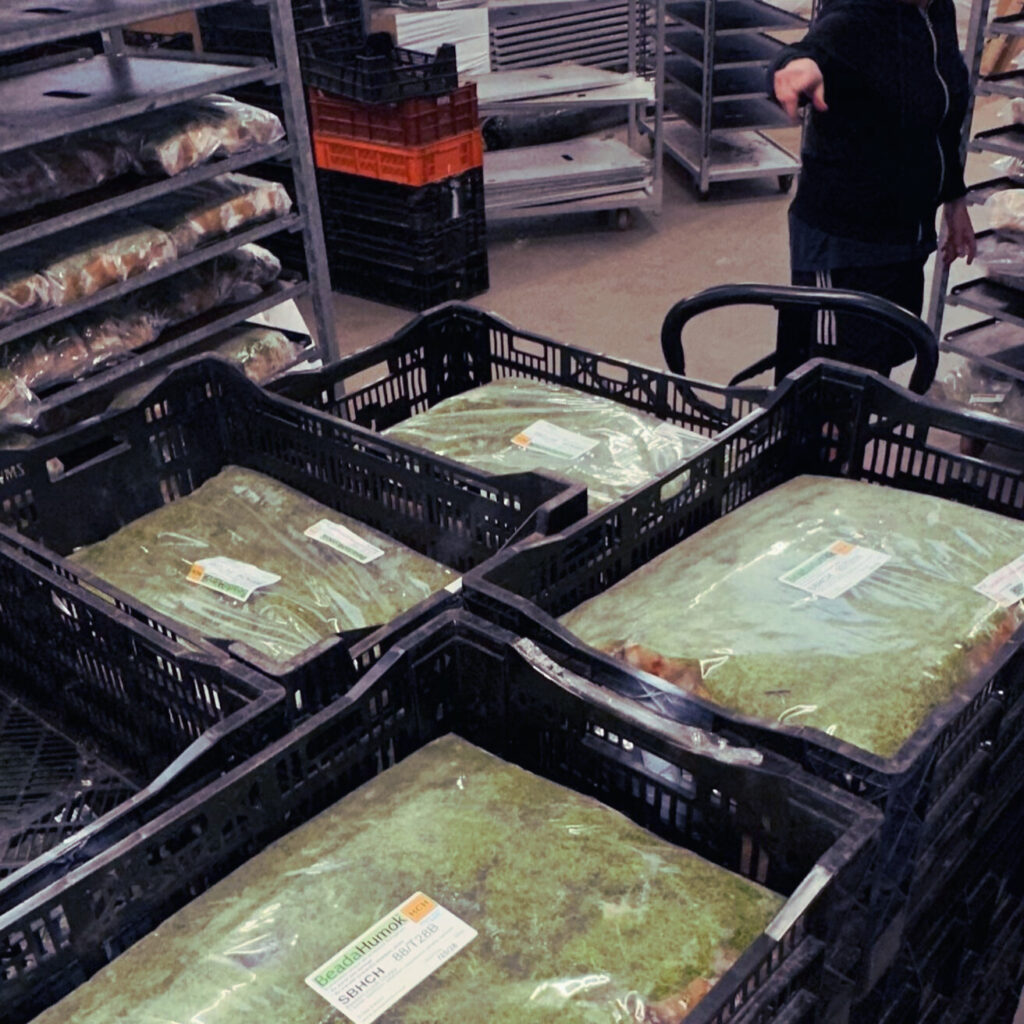
    The BeadaMoss team are hard at work fulfilling partner orders as the peatland planting season gets underway. This time of year marks the ramp-up of restoration activity across the UK’s moorlands. One of our vans can carry around 90,000 individual BeadaHumok® sphagnum plugs, these are all bound for restoration projects across the Peaks.

    Hopefully the weather holds and the contractors can make the most of the planting window!

  • Sphagnum research project receives Jeff Bezos investment

    Sphagnum research project receives Jeff Bezos investment

    The founder of Amazon, Jeff Bezos, is backing a University of Manchester research project through the Bezos Earth Fund Greenhouse Gas Removal Ideation Prize. This will help the team to research the best way to restore Sphagnum moss in peatlands across the UK and within wider northern Europe.

    We’re proud to be working with our partners at the University of Manchester, helping to supply different species of Sphagnum for their research.

    The importance of this research project cannot be understated. Sphagnum moss is vital to the environment. It sequesters carbon, supports biodiversity and is a highly absorbent plant that can reduce the risk of flooding and drought. In short, Sphagnum moss is an eco-hero.

    Further information on peatland restoration and our Sphagnum restoration work can be found below: https://beadamoss.com/peatland/

    Find the full BBC article here – https://www.bbc.co.uk/news/articles/cvg8n1vgdqqo