Author: BeadaMoss Microprop

  • A huge milestone in bog-building Sphagnum research met!

    A huge milestone in bog-building Sphagnum research met!

    Sphagnum moss is a wonder moss, its ability to hold water in the landscape, to improve its own boggy ecosystem conditions, great for peatland plant species and great for people.

    How do conservation teams know which Sphagnum moss species to plant where to ensure it thrives?

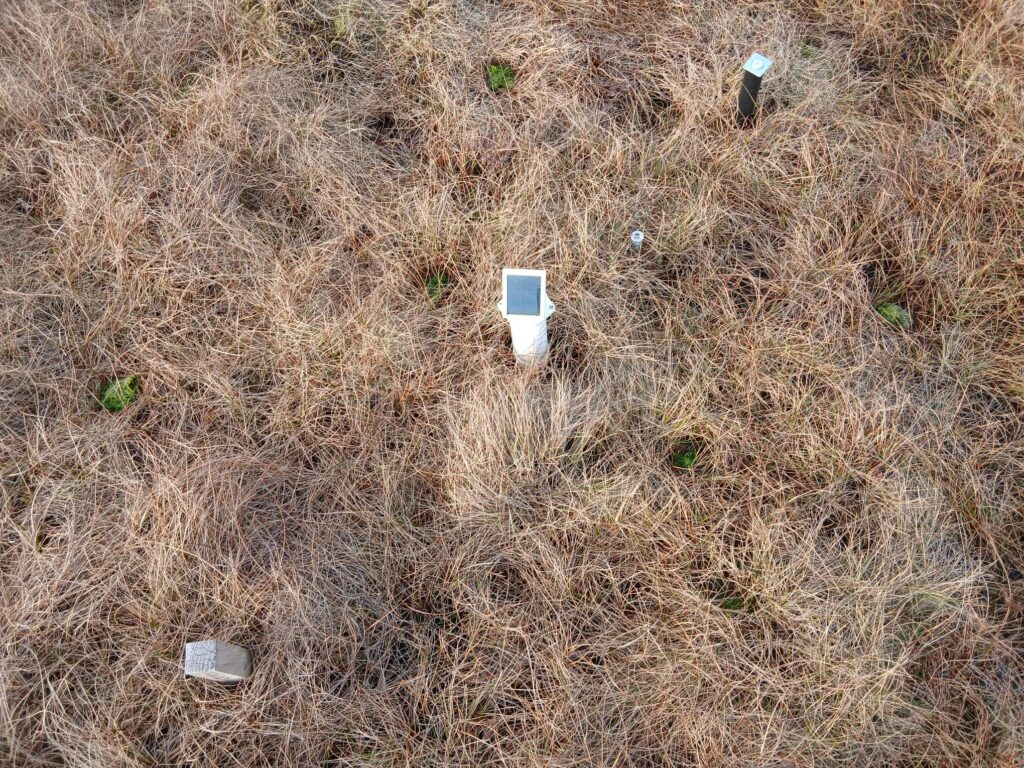
    Over 280,000 Sphagnum plug plants (including 180,000 donated by BeadaMoss) have now been successfully planted across three experimental mini-catchments as part of the ‘Sphagnum Lab’, delivered by Moors for the Future Partnership.

    This marks a real “lift-off” moment for the project. With baseline data collected and planting now complete, the foundations are in place for long-term research that will help refine best practice in Sphagnum restoration.

    The scale of the planting techniques trial is particularly exciting:
    • 150+ monitored quadrats
    • Two species mixes
    • Three planting densities
    • Multiple planting strategies (individual plugs vs grouped plugs)
    • Tested across both wet and dry conditions


    Alongside this, the Sphagnum Lab will enable more detailed research into key areas such as Natural Flood Management. It will also act as a powerful engagement tool for Moors for the Future Partnership and the National Trust, helping bring peatland restoration to life for the public, students, corporates, journalists, and policy-makers.

    Projects like this showcase the far-reaching benefits across multiple ecosystem services – from carbon sequestration and biodiversity improvement to wildfire mitigation, while also improving water quality and reducing flood risk.

    A big thank you to everyone involved – Tom Spencer, Moors for the Future Partnership, and Rebel Restoration, Peak Park Foundation, Severn Trent – for delivering this phase of the project.
    We’re proud to support this work and look forward to seeing the results develop over the coming seasons.

    Please follow BeadaMoss for further updates!

  • Coming Autumn 2026 – BeadaMoss CPD Training!

    Coming Autumn 2026 – BeadaMoss CPD Training!

    Coming Autumn 2026 – BeadaMoss CPD training in the role of Sphagnum moss in Peatland Restoration.

    Peatlands are one of the UK’s most important natural assets for carbon storage, water regulation, and biodiversity – yet many remain degraded and underperforming.

    This Autumn, BeadaMoss will be launching a series of Continuing Professional Development (CPD) 5hr in-person group sessions focused on the role of Sphagnum moss in peatland restoration projects.

    Designed for policymakers, environmental consultancies, and restoration practitioners, these sessions will offer a practical, science-led insight into:
    ▪️Sphagnum biology and its role in peat formation
    ▪️Peatlands as integrated, functioning ecosystems
    ▪️The critical re-vegetation stage in restoration
    ▪️Environmental benefits including carbon sequestration, water management, and biodiversity
    ▪️Real-world project delivery, funding models, and emerging carbon markets

    Delivered at our East Leake facility, the programme combines:
    ▪️Classroom learning
    ▪️Field-based observation
    ▪️Laboratory identification

    As peatland restoration scales to meet net zero and biodiversity targets, understanding the role of vegetation – particularly Sphagnum – has never been more important.

    If you’re interested in receiving further information, please send us a direct message or get in touch. (Sorry, we can’t offer places to individuals, Government bodies, academia, eNGO & corporates only)

  • Academic Spotlight – Jiacheng (Allen) Gao

    Academic Spotlight – Jiacheng (Allen) Gao

    We’re excited to share a new BeadaMoss Academic Spotlight featuring – Jiacheng Gao!

    We want to celebrate our partners and share the meaningful work that is happening in the Sphagnum space, and Allen has kindly provided insight into his research project at University of Warwick.

    Thank you Jiacheng Gao for giving us a glimpse into both the rewarding and challenging aspects of your research. We’ve loved supporting you and we’re excited for what the future holds!

    Full Academic Spotlight can be found here – https://beadamoss.com/wp-content/uploads/2026/04/BeadaMoss-Spotlight-Jiacheng-Allen-Gao.pdf

  • BeadaHumok® Sphagnum: Not Sterile but Selective.

    BeadaHumok® Sphagnum: Not Sterile but Selective.

    “BeadaHumok® are sterile.”
    We hear that a lot.

    But here’s the reality:
    Clean doesn’t mean empty.
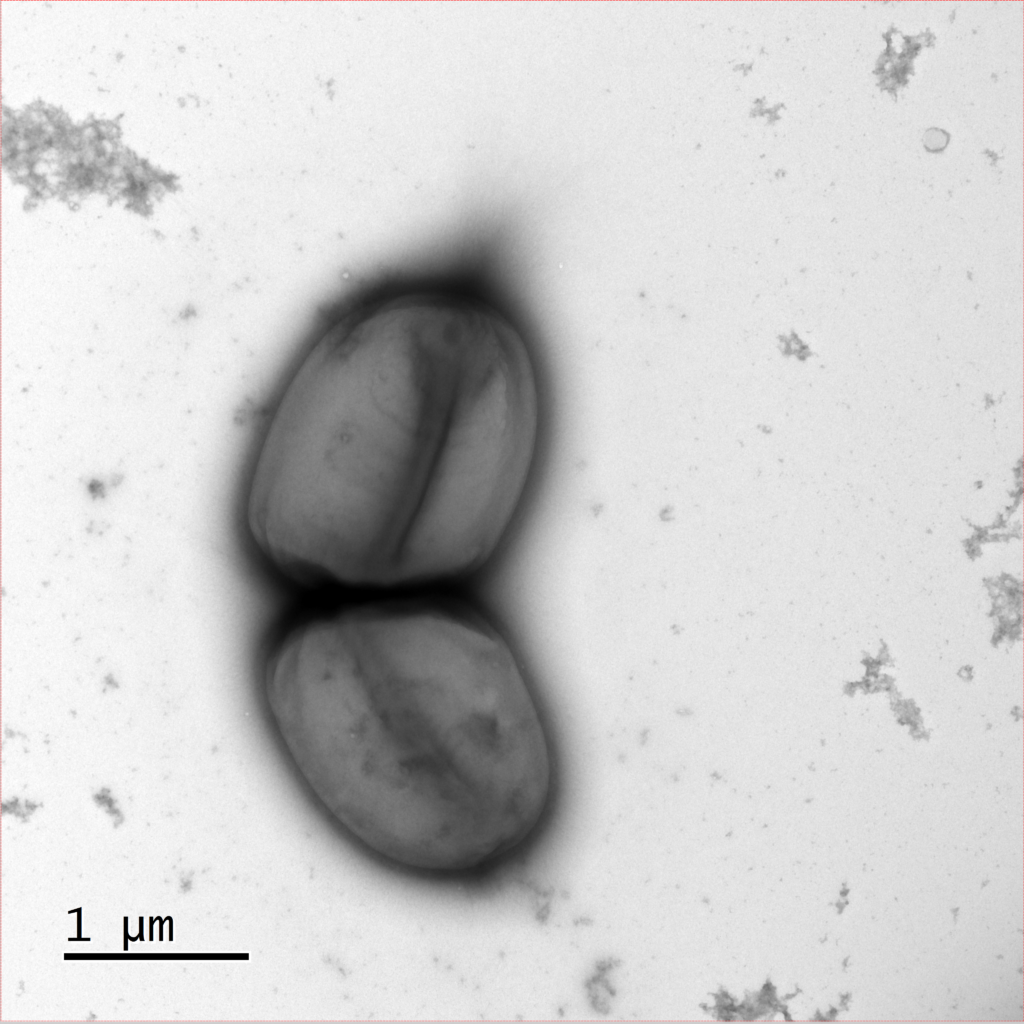
    Wild translocation moves everything – the good microbes, the bad pathogens, invasive seeds, pests. It’s biologically rich… and biologically unpredictable.

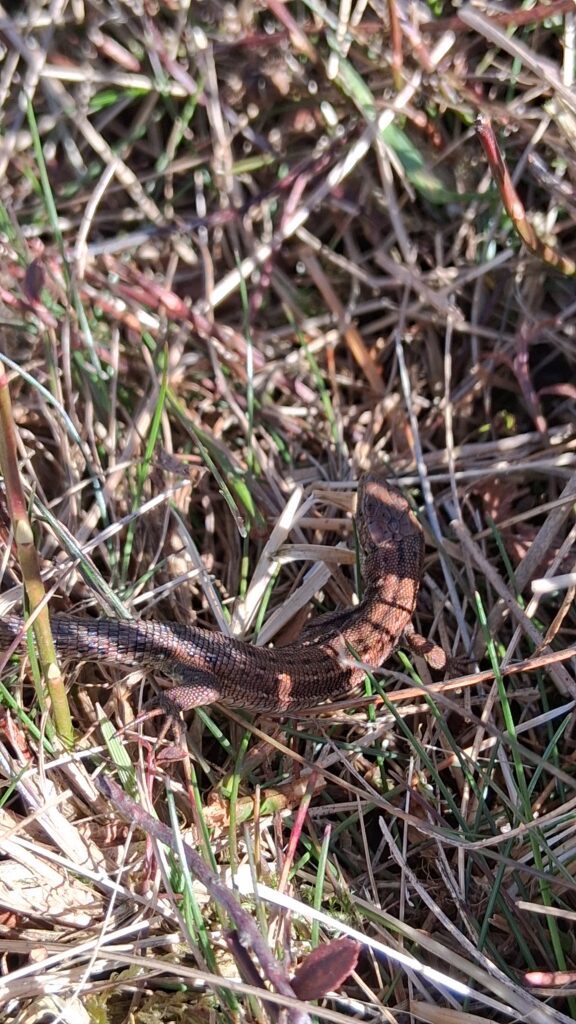
    Sphagnum biome photo credit Allen Gao


    BeadaHumok® takes a different path.

    We reduce harmful elements while retaining functional biology – including proven methanotroph presence. That means supporting the processes peatlands rely on, without importing unnecessary risk.

    The real question isn’t:
    “Does it have a biome?”
    It’s:
    “What kind of biome are we introducing?”

    Restoration shouldn’t be random. It should be intentional.


    Full article here:
    https://lnkd.in/ex4CMppg
    Credit to Jiacheng Gao for the video and photos

  • A great volunteering day out on Hartoft Rigg

    A great volunteering day out on Hartoft Rigg

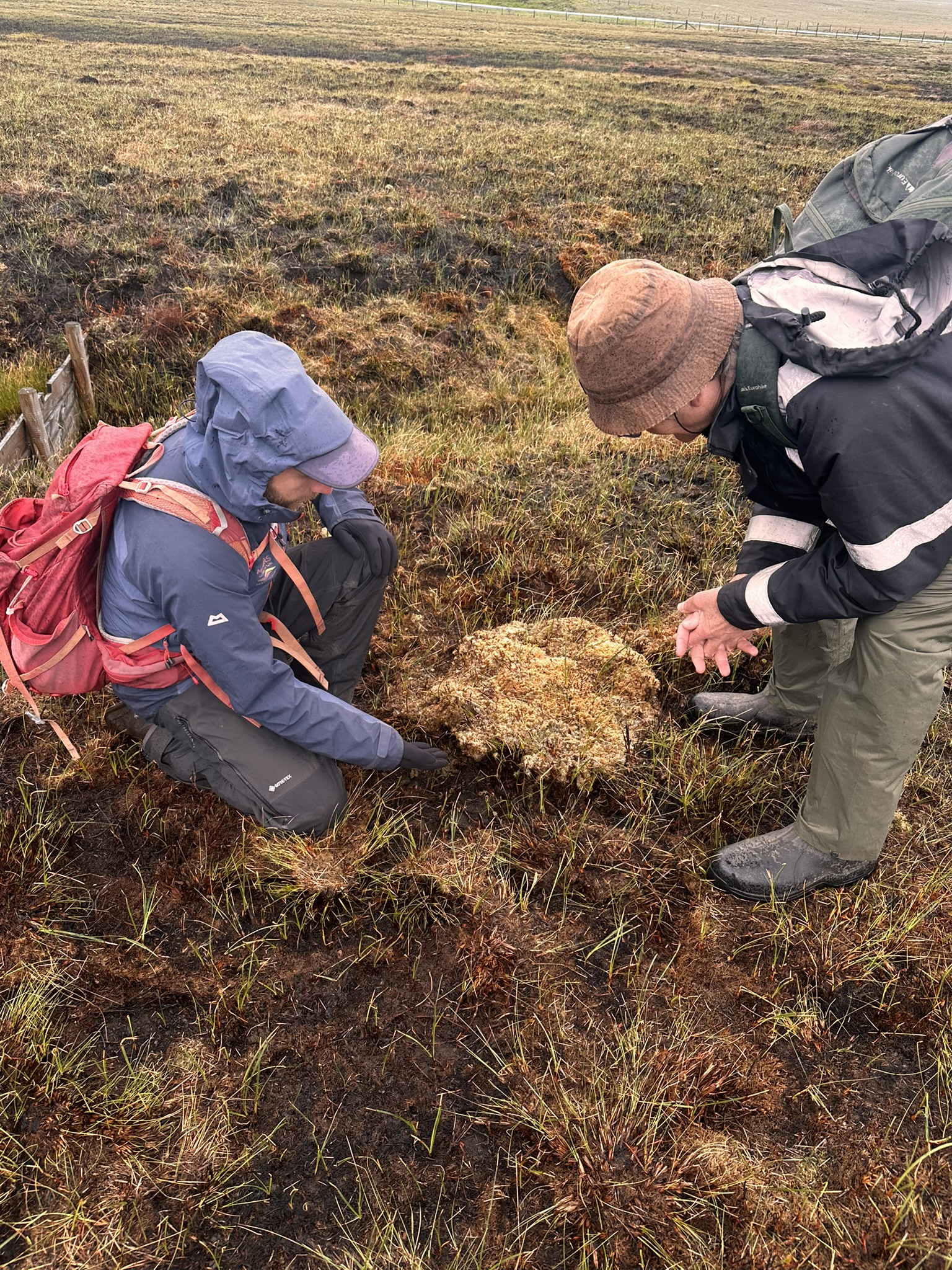
    We swapped our office and greenhouse for wellies and a day of planting on Hartoft Rigg last week!

    It was so rewarding to plant BeadaHumok® Sphagnum plugs and cottongrass for a peatland restoration project on Hartoft Rigg, as well as spending time with our friends from North York Moors National Park. Thank you Ed and Becky for having us!

  • BeadaMoss catch up with Manchester Met Uni

    BeadaMoss catch up with Manchester Met Uni

    Great to host a visit from our friends at The Manchester Metropolitan University, to catch up with Chris Field, Fraser Baker & Bidhya Sharma. We are collaborating on the Horizon Palus Demos Project, in which we are scaling up Sphagnum Farming for use as a peat free alternative in horticulture. We’re looking forward to sharing results soon!

  • BeadaMoss out on the bog with Yorkshire Peat Partnership

    BeadaMoss out on the bog with Yorkshire Peat Partnership

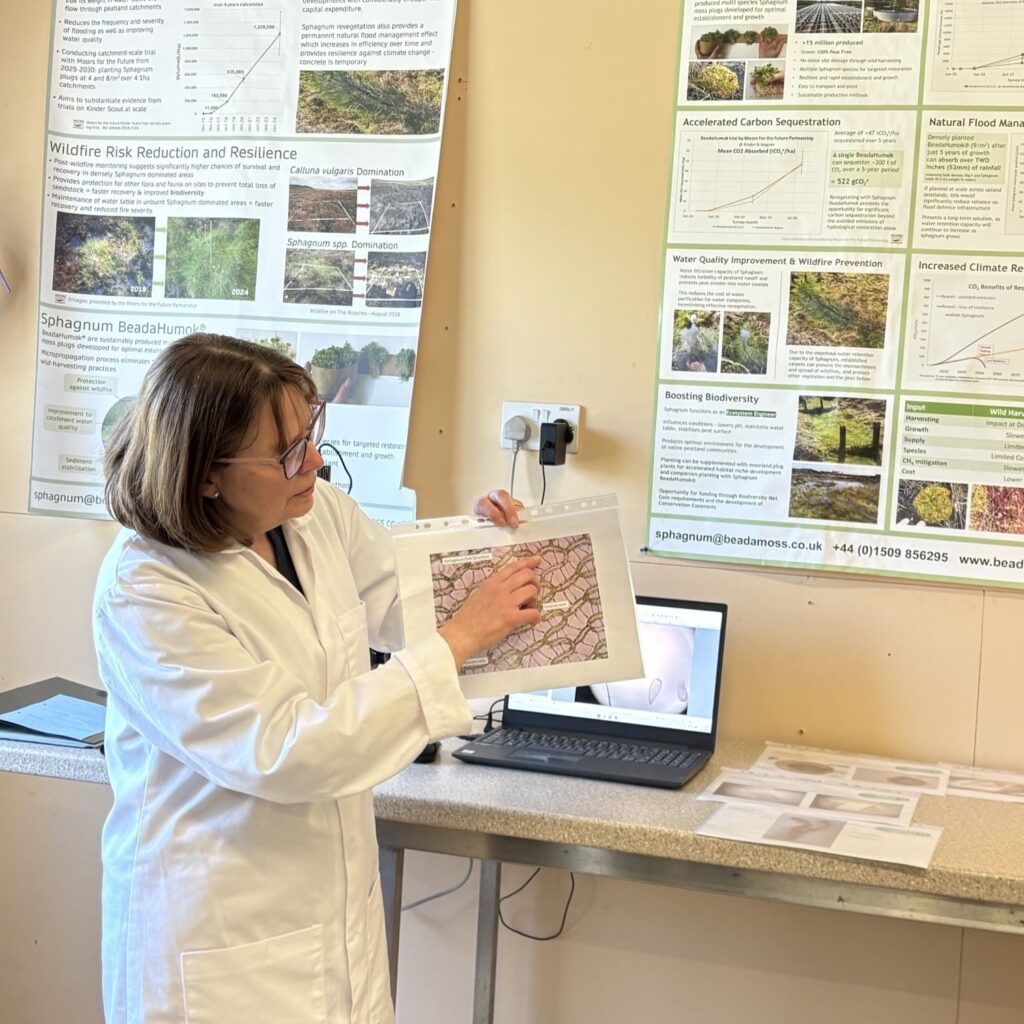
    We had such a fun, informative few days on Yorkshire Peat Partnership‘s ‘Blanket Bog Indicator Species’ and ‘Introducing Sphagnum Moss’ training courses last month! We always love spending time on the bog, but it was particularly useful to have the opportunity to refresh our Sphagnum identification skills. It was also fascinating to observe the hyaline cells under a microscope.


    Thank you so much for having us Yorkshire Peat Partnership, and a big thank you to Beth Thomas for delivering two fantastic courses. If you have the opportunity to, we would highly suggest booking onto both!