Tag: Restoration

  • Hope Amid the Ashes: Featherbed Moor Sphagnum Trial Shows Remarkable Resilience Following Wildfire

    Hope Amid the Ashes: Featherbed Moor Sphagnum Trial Shows Remarkable Resilience Following Wildfire

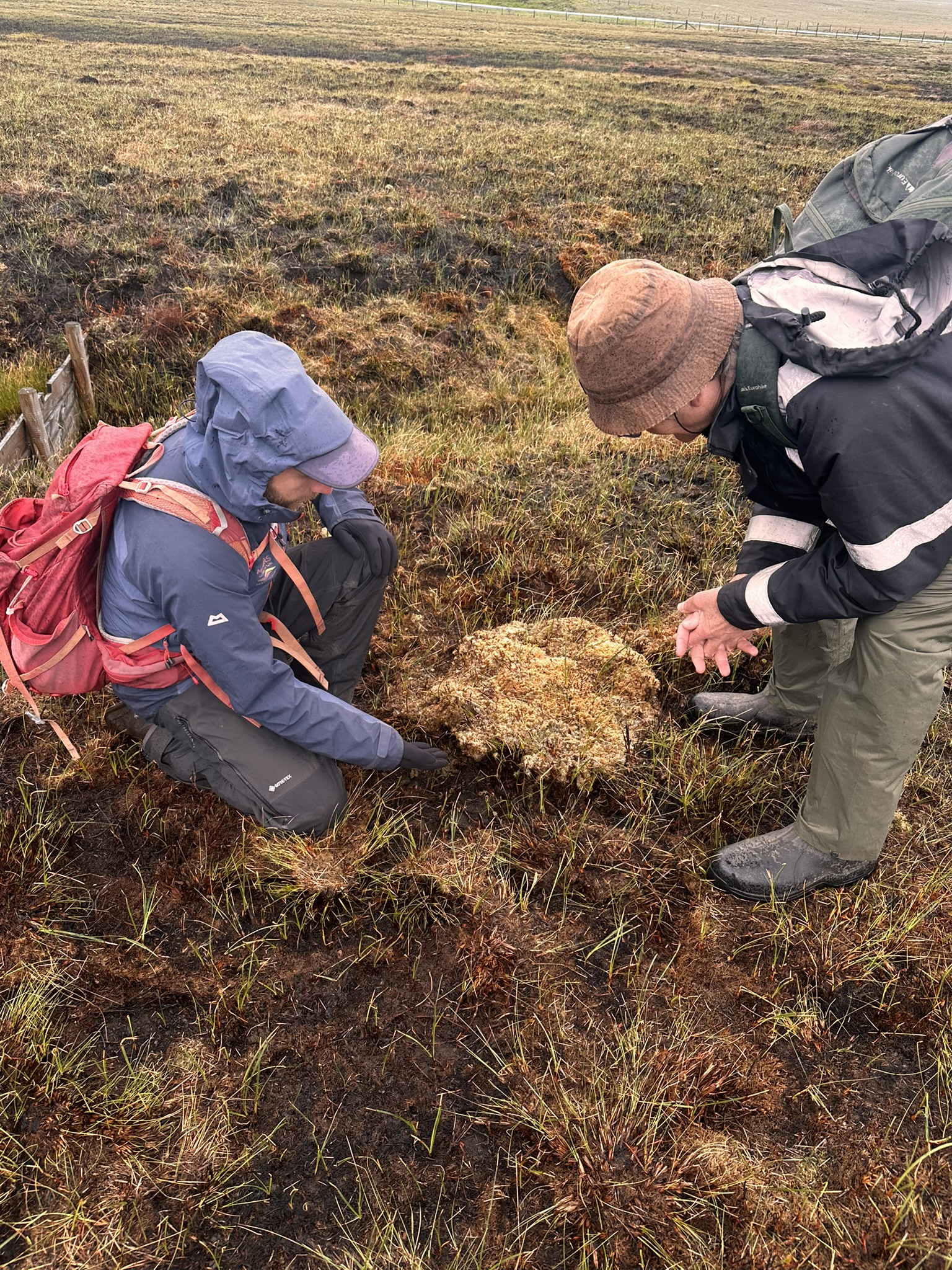
    Like many involved in peatland restoration across the Peak District, we were deeply saddened to learn that a significant wildfire swept through the Featherbed Moor research site in early May.

    The fire impacted a major section of the innovative Sphagnum Lab project led by Moors for the Future Partnership, a large-scale research initiative designed to improve our understanding of Sphagnum establishment, peatland restoration, natural flood management and ecosystem resilience.

    Earlier this year, more than 280,000 Sphagnum plug plants were established across the trial catchments, including 180,000 plugs donated by BeadaMoss. The project represented an important milestone in advancing evidence-based peatland restoration.

    While the wildfire has undoubtedly affected the site and the surrounding habitat, early monitoring results have revealed an encouraging outcome.

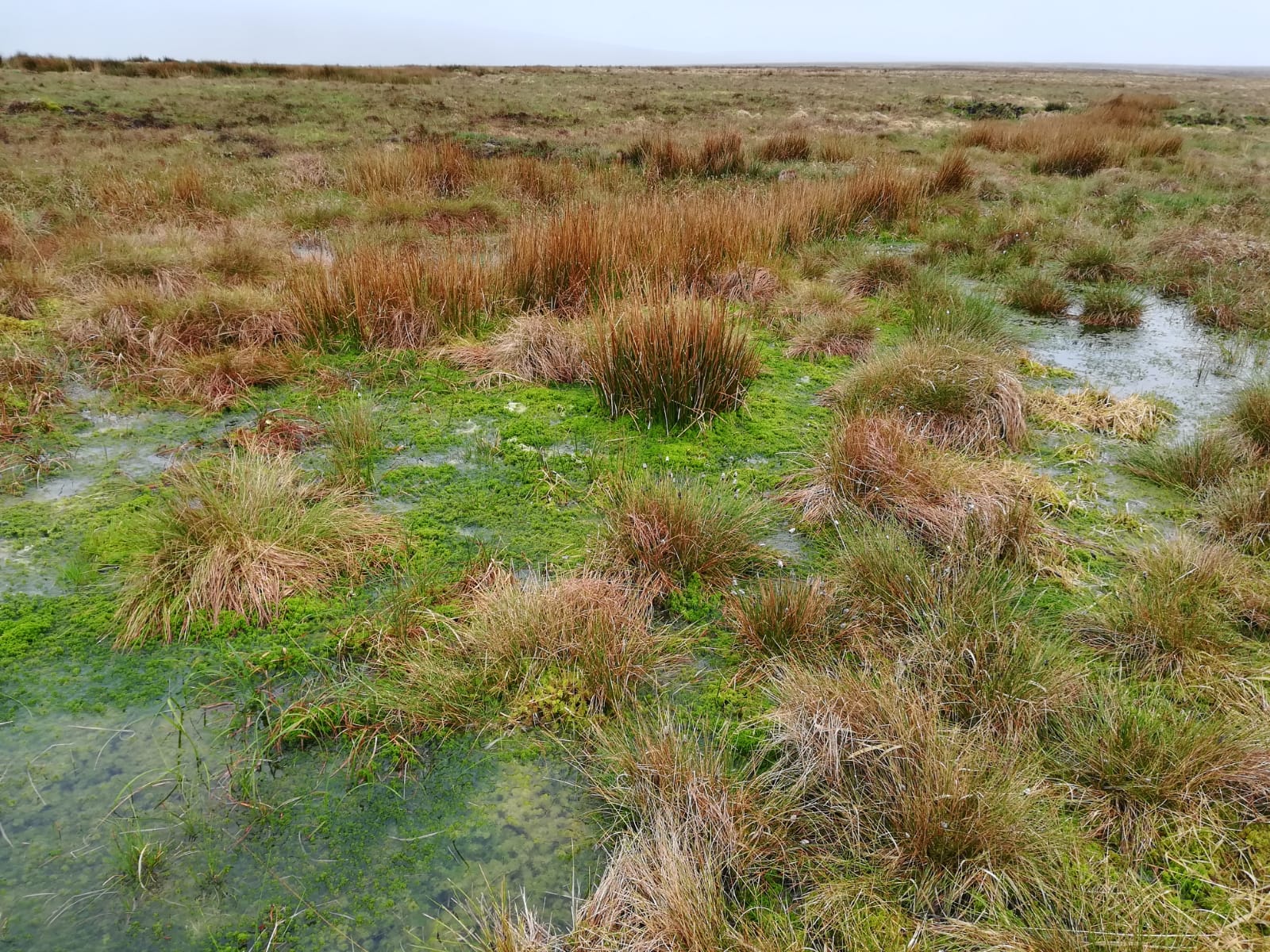
    According to Tom Spencer, Research & Monitoring Officer at Moors for the Future Partnership, 195 of the 198 individual Sphagnum plugs located within the burn area remained present after the fire, representing a 98% survival rate. All grouped plantings remained intact, and monitoring found that, on average, the Sphagnum patches were 11% larger than when first measured in March.

    “However, this is very clear, quantified evidence that Sphagnum doesn’t burn, even in areas where the fire was hot enough to melt plastic dipwells fully into the ground.” — Tom Spencer

    While some plugs have understandably suffered stress and longer-term monitoring will be needed to assess future growth and survival, the findings provide valuable evidence of the resilience of Sphagnum moss in extreme conditions.

    For BeadaMoss, these early results reinforce the important role that healthy peatland vegetation can play in building resilient landscapes. Sphagnum moss helps retain water, supports biodiversity, stores carbon and contributes to healthier peat-forming ecosystems.

    We extend our sincere thanks to Tom Spencer and the Moors for the Future Partnership team for their ongoing monitoring work and commitment to sharing these important findings. Despite the setback caused by the wildfire, the research continues and will provide valuable insights for peatland restoration projects across the UK and beyond.

    We look forward to following the next phase of monitoring and learning more about the long-term recovery of the site.

    For further information:
    www.beadamoss.co.uk

  • YWT, NWT and Natural England visit BeadaMoss HQ

    YWT, NWT and Natural England visit BeadaMoss HQ

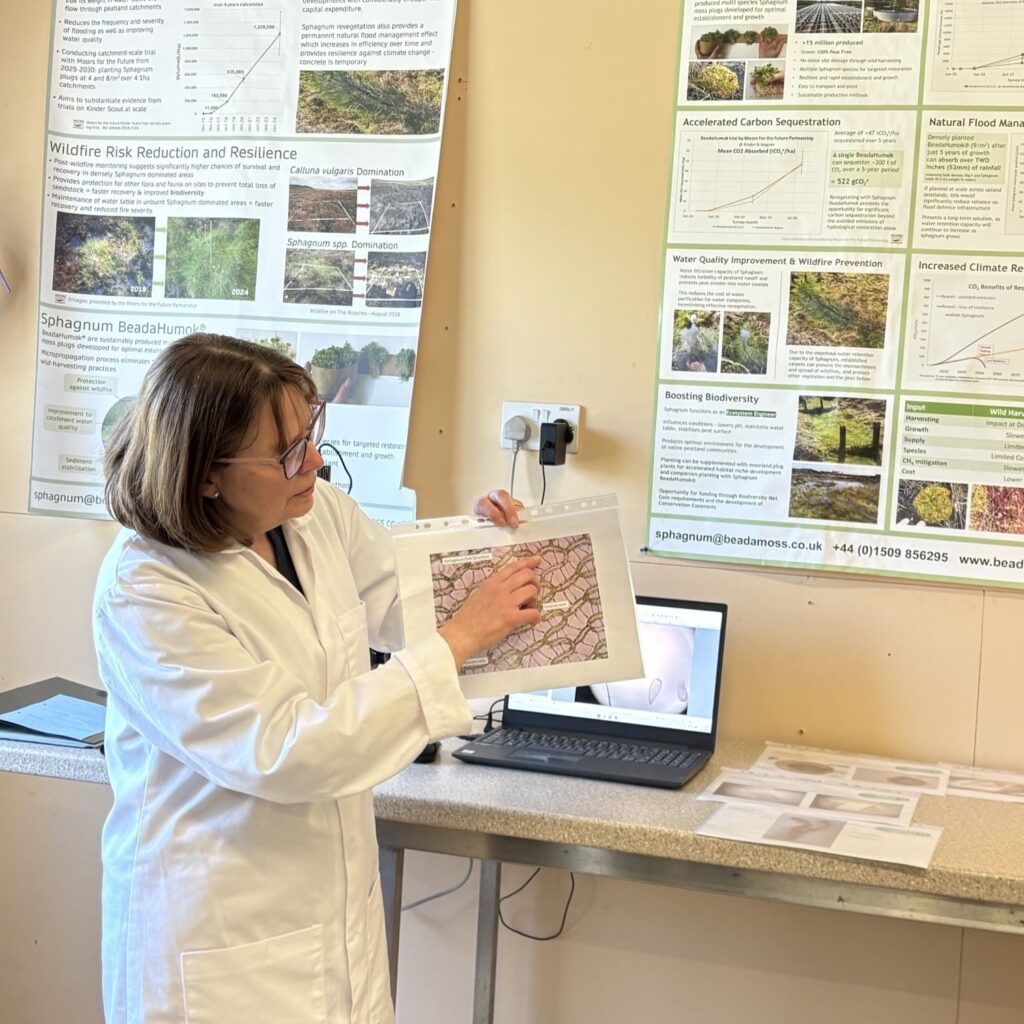
    What better way to end a week than to be visited by Yorkshire Wildlife Trust, Nottinghamshire Wildlife Trust and Natural England.

    The company was wonderful, the sun was shining and we spent the afternoon exchanging knowledge and taking a tour around BeadaMoss HQ.

    Thank you Joe Carter, Sarah Pullein, Daniel Lines and Dave Blackham for coming and we look forward to seeing you again at the IUCN UK Peatland Programme conference in June!

  • World Curlew Day 2026!

    World Curlew Day 2026!

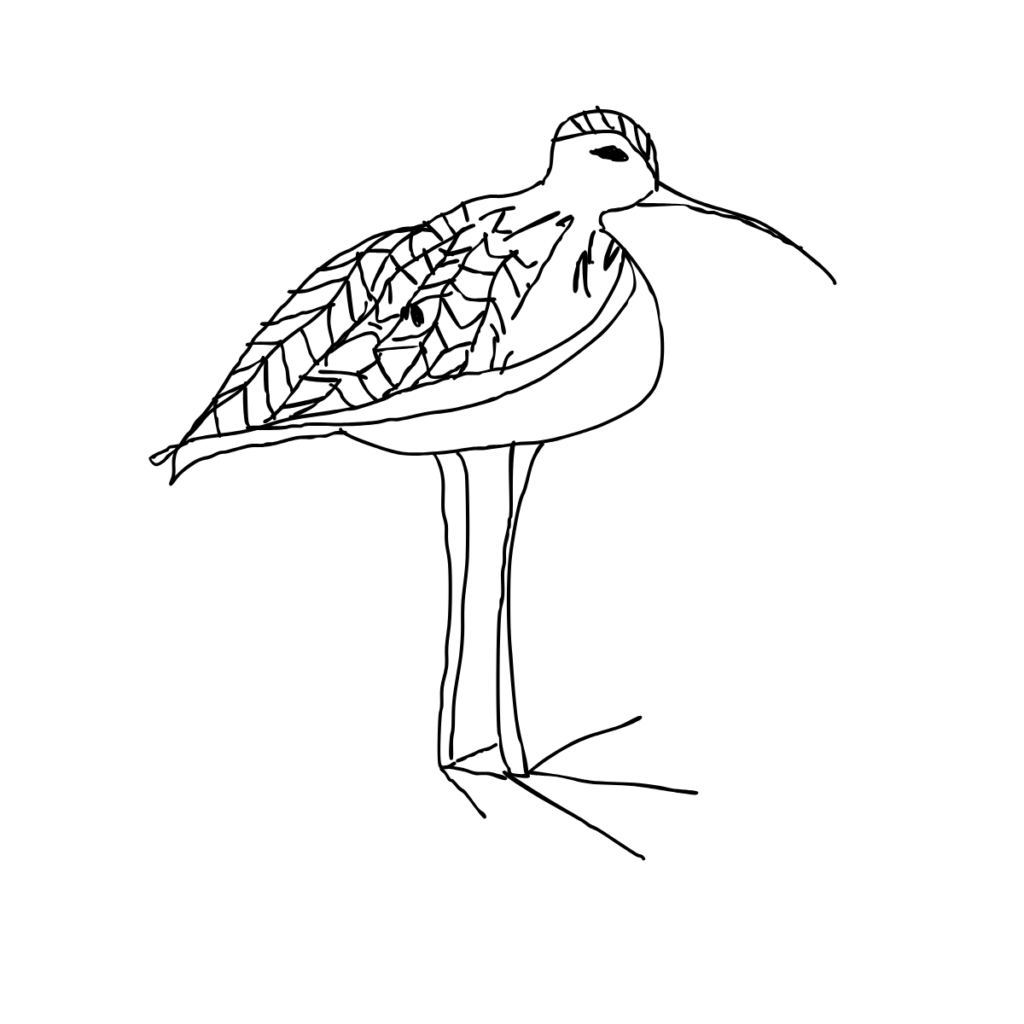
    Known for their long, down-curved bills, long legs and haunting ‘cur-lee’ call, we’re talking about Curlews as today is hashtag#WorldCurlewDay!

    Unfortunately, due to a decline in the breeding population, Curlews are on the Red List on the UK Conservation Status Report, making them vulnerable, endangered waders in Britain. This is further exacerbated by drained and damaged peatlands, one of the main habitats in which Curlew breeding sites occur.

    Focusing on peatland restoration will promote biodiversity and support the habitat that Curlew’s rely on from February to July. Planting Sphagnum stabilises peat surface and is a great way to produce the optimal environment for the development of native peatland communities.

    For further information on peatland restoration and the work we’re doing at BeadaMoss, click the link below: https://lnkd.in/ePQxxWE2

  • Trial Opportunity: Scaling Sphagnum Restoration Through Mechanisation

    Trial Opportunity: Scaling Sphagnum Restoration Through Mechanisation

    We’ve been developing something exciting at BeadaMoss – a modified planting machine designed specifically for Sphagnum moss restoration.
    Built from a vegetable planting system and adapted for peatland conditions, this machinery has the potential to:

    Significantly increase planting speed
    Operate without PTO or electricity
    Free up skilled teams to focus on more complex terrain

    Early upland trials have successfully handled tougher ground, including heather debris.

    Now, we’re looking to take the next step.

    We’re inviting partners to trial the machine in real-world restoration settings.
    We’re particularly interested in:

    Upland testing (including the three-row setup)
    Higher-density planting approaches
    Combined planting (e.g. Sphagnum + cotton grass)

    This is a chance to:

    Get early access to new restoration technology
    Help shape the next iteration of the machine
    Contribute to scaling peatland restoration in a meaningful way

    If you’re working in restoration and would like to be involved, let’s talk.

  • Coming Autumn 2026 – BeadaMoss CPD Training!

    Coming Autumn 2026 – BeadaMoss CPD Training!

    Coming Autumn 2026 – BeadaMoss CPD training in the role of Sphagnum moss in Peatland Restoration.

    Peatlands are one of the UK’s most important natural assets for carbon storage, water regulation, and biodiversity – yet many remain degraded and underperforming.

    This Autumn, BeadaMoss will be launching a series of Continuing Professional Development (CPD) 5hr in-person group sessions focused on the role of Sphagnum moss in peatland restoration projects.

    Designed for policymakers, environmental consultancies, and restoration practitioners, these sessions will offer a practical, science-led insight into:
    ▪️Sphagnum biology and its role in peat formation
    ▪️Peatlands as integrated, functioning ecosystems
    ▪️The critical re-vegetation stage in restoration
    ▪️Environmental benefits including carbon sequestration, water management, and biodiversity
    ▪️Real-world project delivery, funding models, and emerging carbon markets

    Delivered at our East Leake facility, the programme combines:
    ▪️Classroom learning
    ▪️Field-based observation
    ▪️Laboratory identification

    As peatland restoration scales to meet net zero and biodiversity targets, understanding the role of vegetation – particularly Sphagnum – has never been more important.

    If you’re interested in receiving further information, please send us a direct message or get in touch. (Sorry, we can’t offer places to individuals, Government bodies, academia, eNGO & corporates only)

  • Case Study: BeadaHumok® supplied to Region Hannover for Totes Moor, Germany

    Case Study: BeadaHumok® supplied to Region Hannover for Totes Moor, Germany

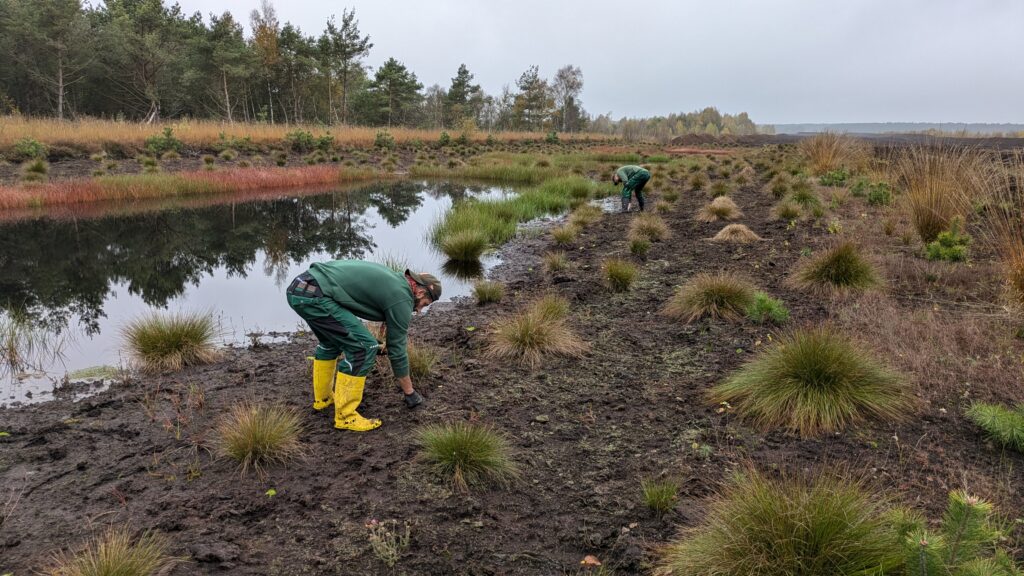
    We are pleased to share our new case study with our partners Region Hannover for their peatland restoration project on Totes Moor, Germany using our BeadaHumok® Sphagnum moss plugs.

    The full case study can be found below and also on our Resources & Research page:

  • World Wetlands Day 2026

    World Wetlands Day 2026

    We’re celebrating World Wetlands Day today by shining the spotlight on our favourite type of wetland – peatlands. They provide crucial ecoservices such as promoting biodiversity, carbon storing and sequestration, flood and wildfire control, and water filtration to name a few.

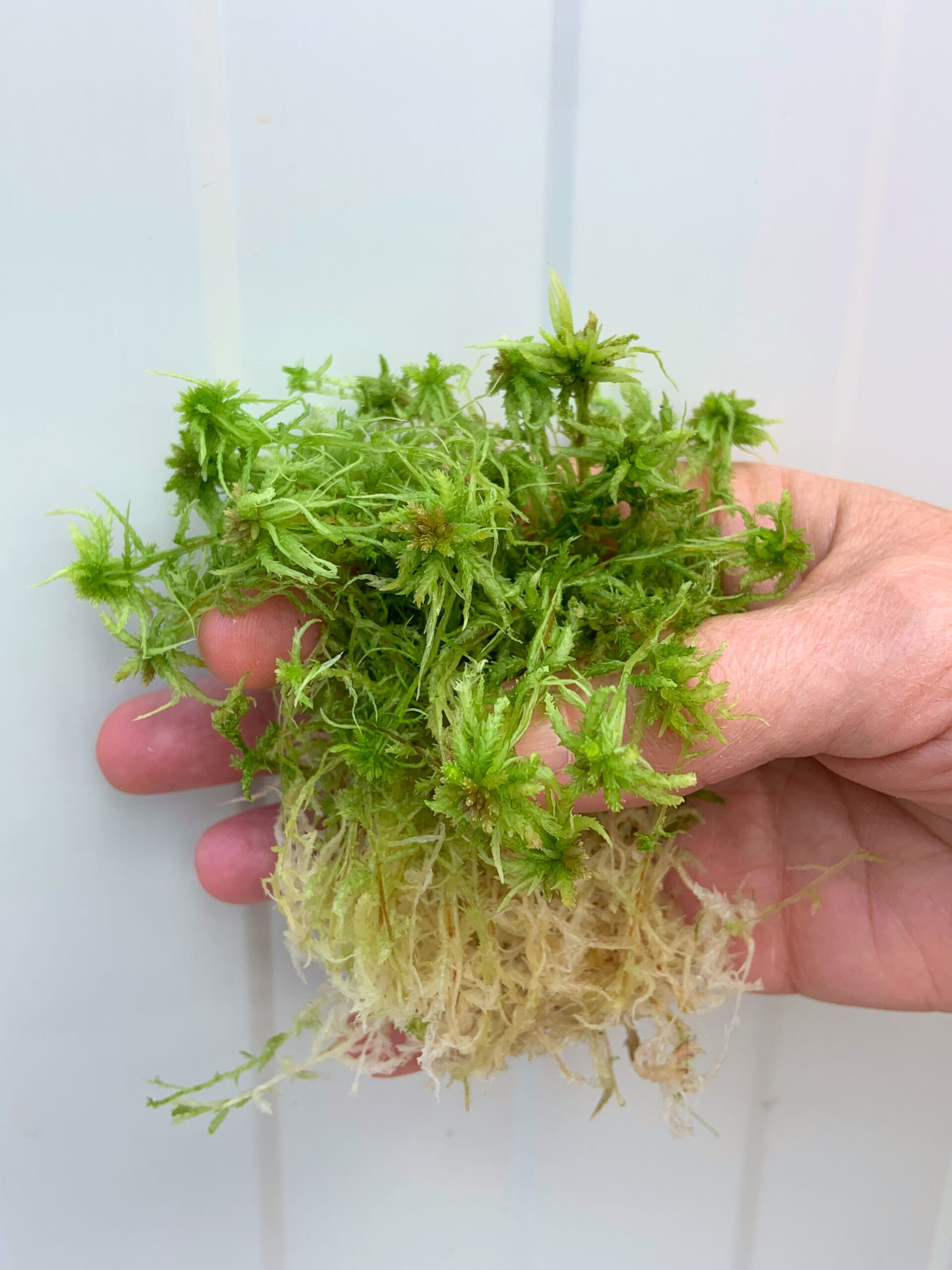
    Sphagnum moss, the dominant peat former, can store huge quantities of water in its cells, and can hold up to 20x its own weight in water. Re-wetting damaged peatlands and reintroducing Sphagnum is key to preventing further CO2 emissions being lost from exposed peat and to help restore peatlands to carbon-sequestering sinks.

  • BeadaMoss supply their 25 Millionth BeadaHumok®

    BeadaMoss supply their 25 Millionth BeadaHumok®

    BeadaMoss have just supplied their 25 millionth BeadaHumok® for peatland restoration across the UK and Northern Europe! 🎉

    A huge thank you to all of our partners for enabling us to contribute and support the restoration of one of the world’s most important ecosystems, from upland bogs to lowland peatlands.

    Please follow our LinkedIn page for further updates on the world of Sphagnum, including news of incredible peatland restoration projects, the latest academic studies and more.

    For further information regarding our Sphagnum restoration work, click the link below: https://beadamoss.com/peatland-restoration-our-work/

  • BeadaMoss visit Hatfield Moor – January 2026

    BeadaMoss visit Hatfield Moor – January 2026

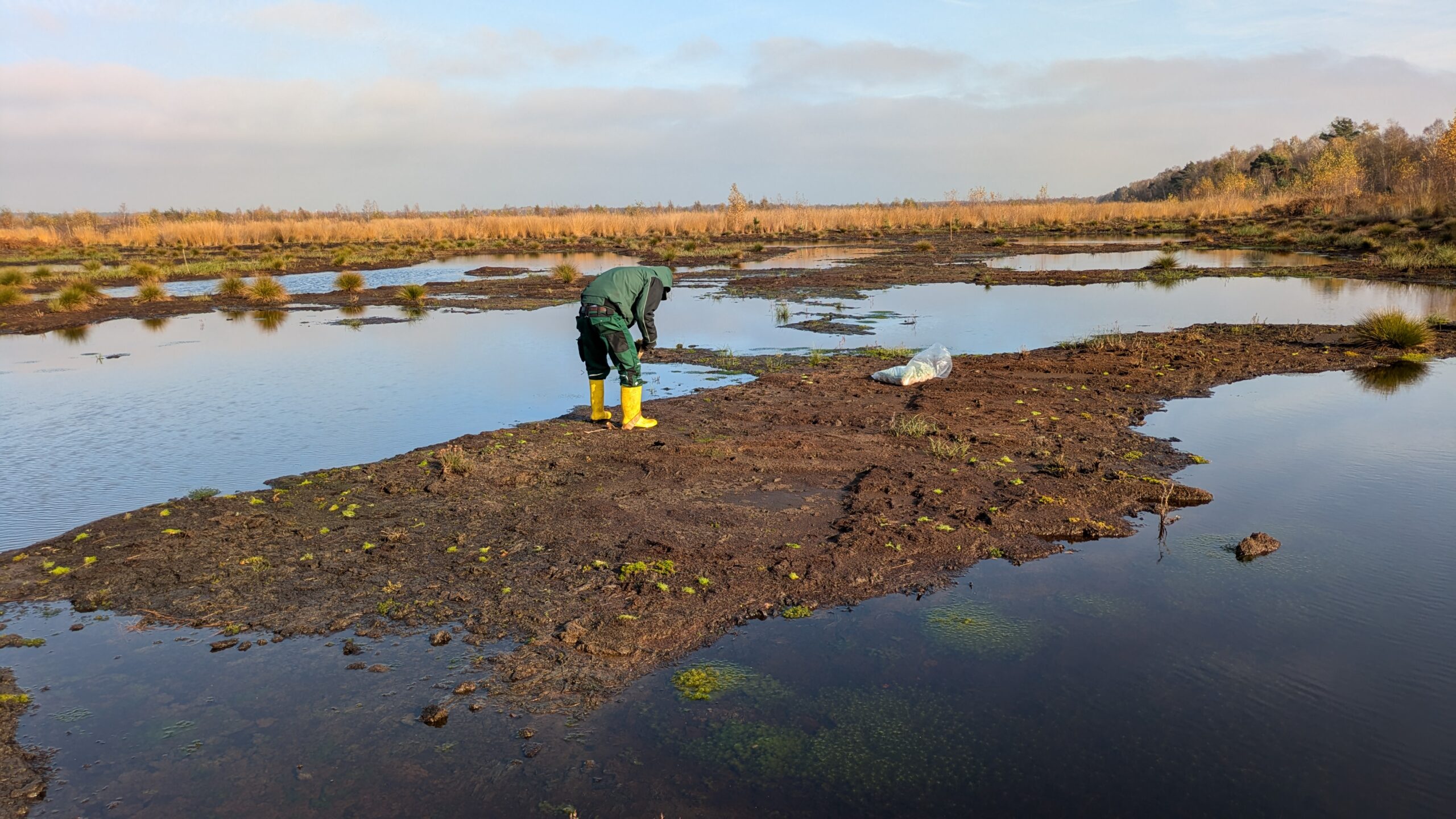
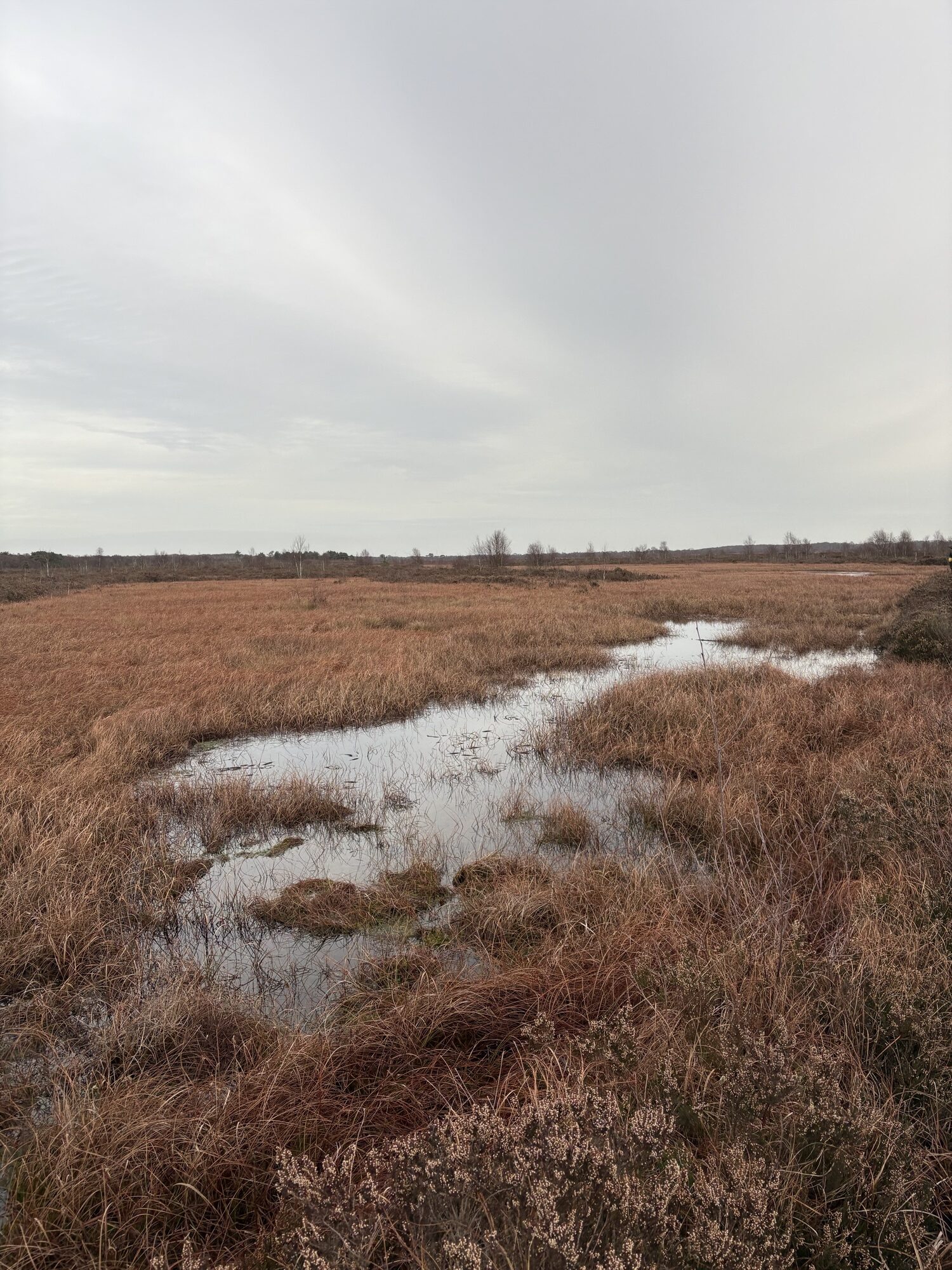
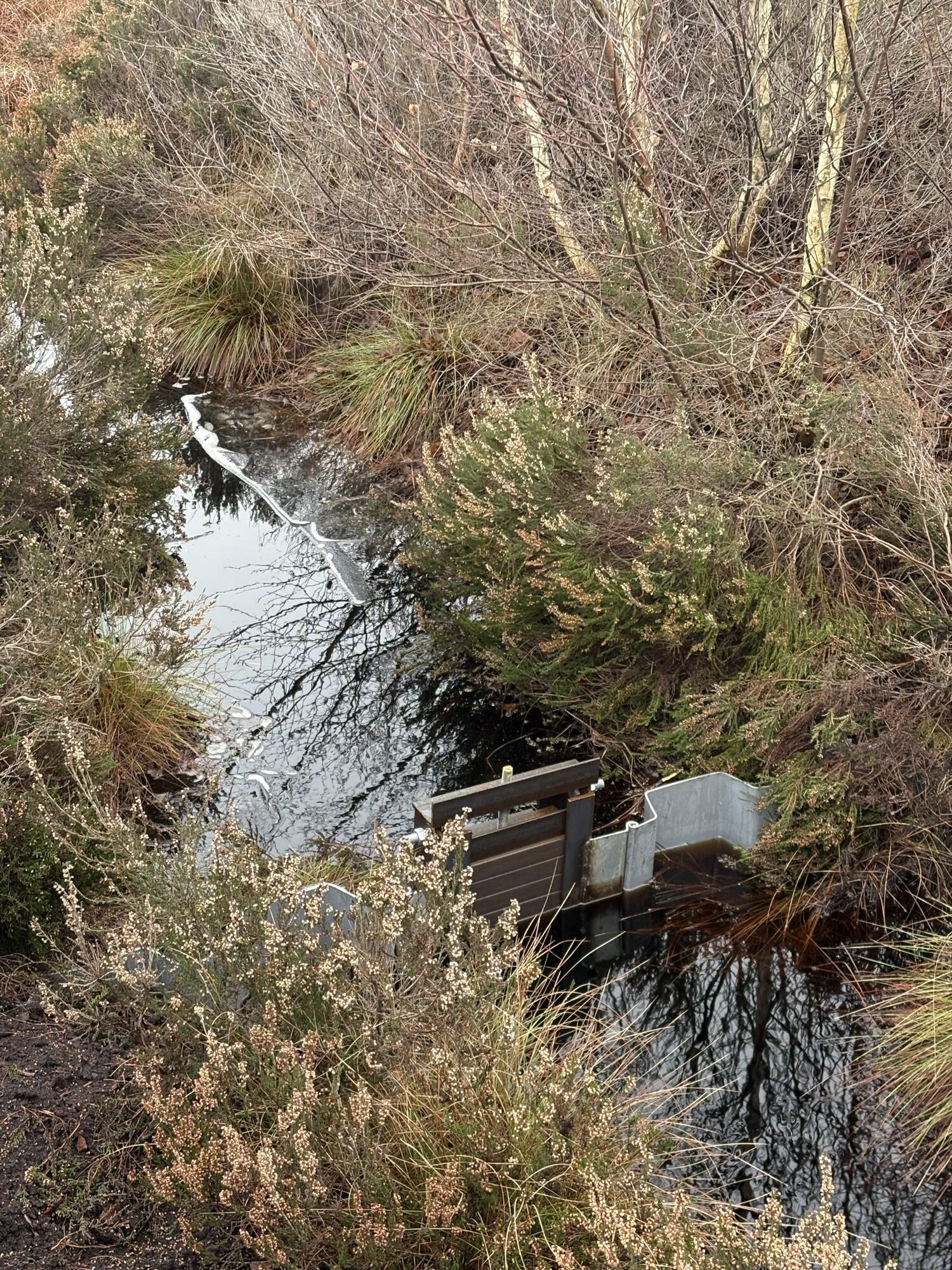
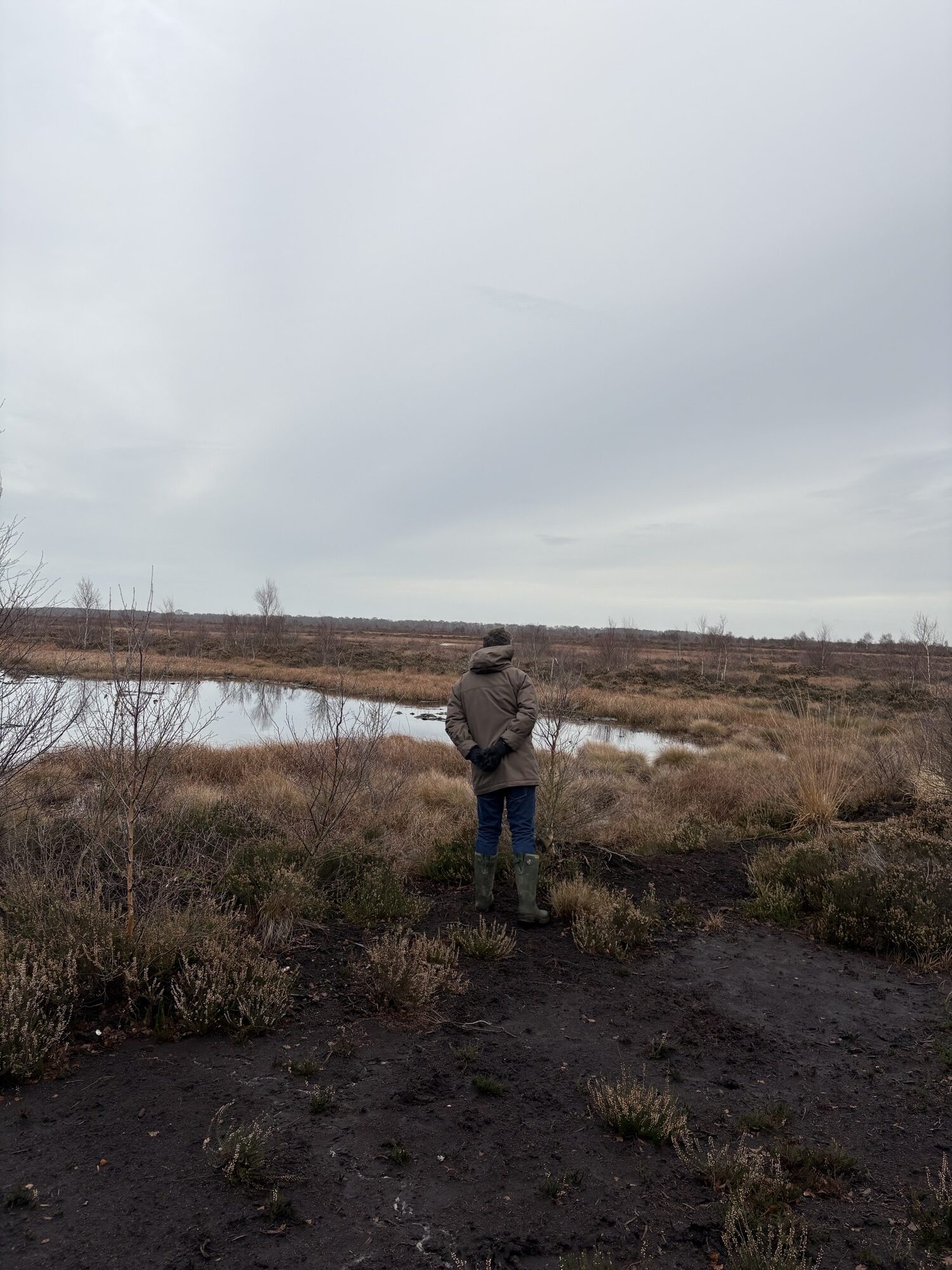
    On Monday, we swapped our desks for the bog and visited our partners, Yorkshire Wildlife Trust and the Natural England Humberhead Peatlands National Nature Reserve team, on Hatfield Moor. A big thank you to Joe Carter for giving us a fun and educational tour and to Julian Small, Natural England, for providing an insight into different approaches required for lowland bogs in comparison to blanket bogs. It helped to put what we do into perspective.

    We wanted to highlight this recently published video from LIFE Moor Site, showcasing the peatland restoration in action across the Humberhead Peatlands, carried out by Natural England staff and dedicated volunteers:
    https://www.youtube.com/watch?v=I6iKE1-zKWU

    Follow us to see more updates from BeadaMoss and our partners.

  • Office closure for Christmas and New Year return!

    Office closure for Christmas and New Year return!

    Our last day in the office will be Tuesday 23rd December before breaking up for the holidays. We’ll return on Monday 5th January 2026, ready to continue delivering our BeadaHumok® and moorland plug plants for more peatland restoration projects!