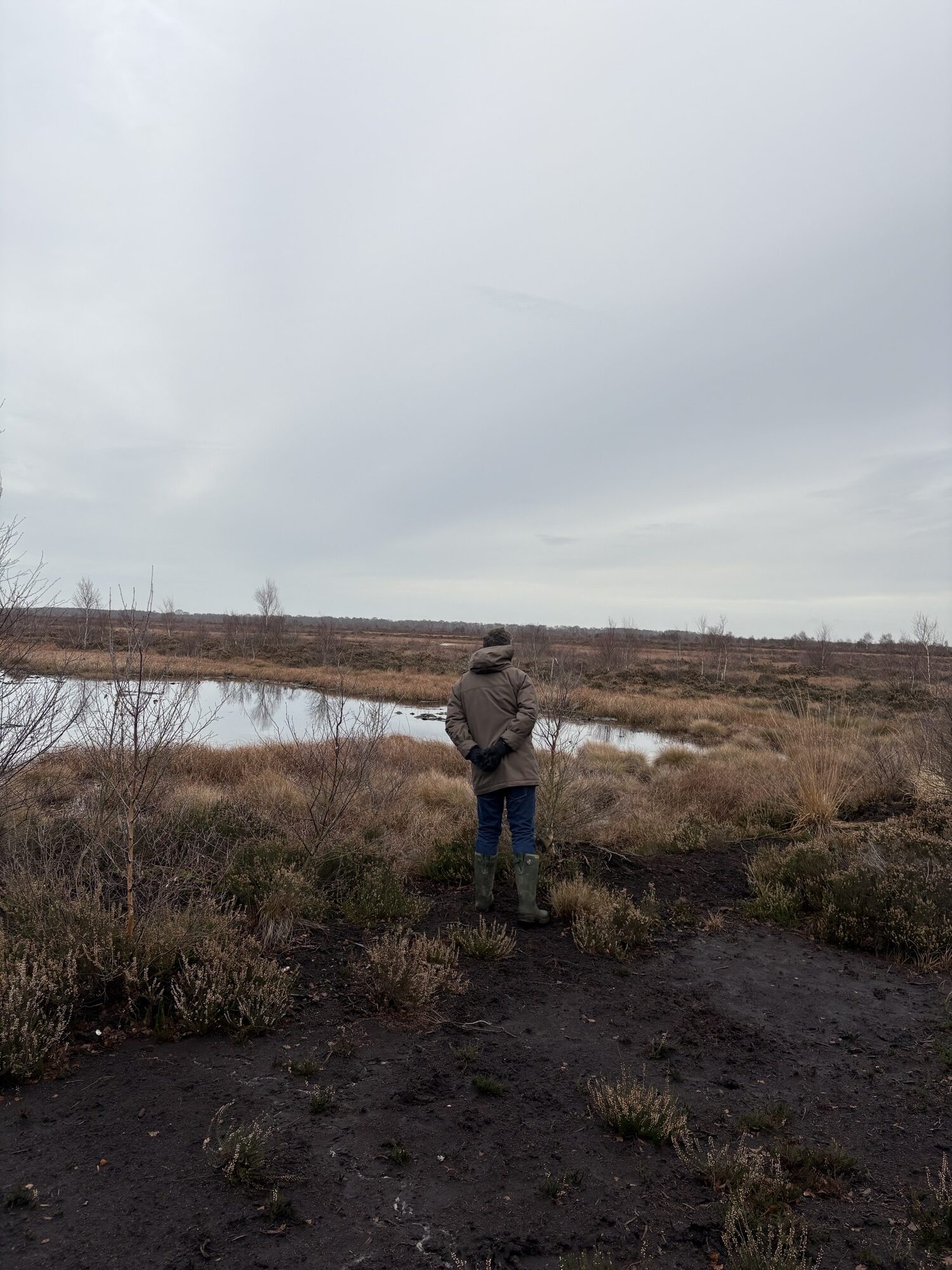
Coming Autumn 2026 – BeadaMoss CPD training in the role of Sphagnum moss in Peatland Restoration.
Peatlands are one of the UK’s most important natural assets for carbon storage, water regulation, and biodiversity – yet many remain degraded and underperforming.
This Autumn, BeadaMoss will be launching a series of Continuing Professional Development (CPD) 5hr in-person group sessions focused on the role of Sphagnum moss in peatland restoration projects.
Designed for policymakers, environmental consultancies, and restoration practitioners, these sessions will offer a practical, science-led insight into:
▪️Sphagnum biology and its role in peat formation
▪️Peatlands as integrated, functioning ecosystems
▪️The critical re-vegetation stage in restoration
▪️Environmental benefits including carbon sequestration, water management, and biodiversity
▪️Real-world project delivery, funding models, and emerging carbon markets
Delivered at our East Leake facility, the programme combines:
▪️Classroom learning
▪️Field-based observation
▪️Laboratory identification
As peatland restoration scales to meet net zero and biodiversity targets, understanding the role of vegetation – particularly Sphagnum – has never been more important.
If you’re interested in receiving further information, please send us a direct message or get in touch. (Sorry, we can’t offer places to individuals, Government bodies, academia, eNGO & corporates only)
Tag: Environment
-

Coming Autumn 2026 – BeadaMoss CPD Training!
-

Academic Spotlight – Jiacheng (Allen) Gao
We’re excited to share a new BeadaMoss Academic Spotlight featuring – Jiacheng Gao!
We want to celebrate our partners and share the meaningful work that is happening in the Sphagnum space, and Allen has kindly provided insight into his research project at University of Warwick.
Thank you Jiacheng Gao for giving us a glimpse into both the rewarding and challenging aspects of your research. We’ve loved supporting you and we’re excited for what the future holds!Full Academic Spotlight can be found here – https://beadamoss.com/wp-content/uploads/2026/04/BeadaMoss-Spotlight-Jiacheng-Allen-Gao.pdf
-

BeadaHumok® Sphagnum: Not Sterile but Selective.
“BeadaHumok® are sterile.”
We hear that a lot.
But here’s the reality:
Clean doesn’t mean empty.
Wild translocation moves everything – the good microbes, the bad pathogens, invasive seeds, pests. It’s biologically rich… and biologically unpredictable.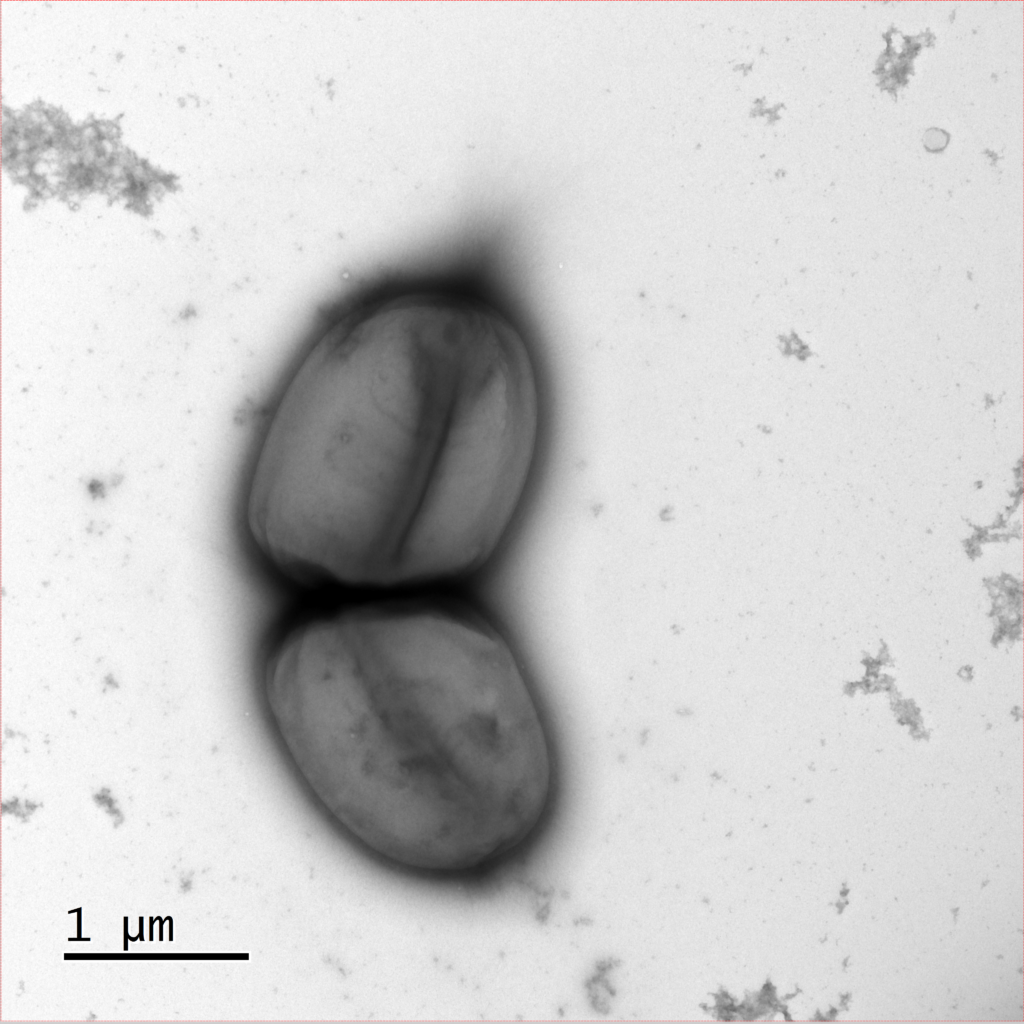
Sphagnum biome photo credit Allen Gao
BeadaHumok® takes a different path.
We reduce harmful elements while retaining functional biology – including proven methanotroph presence. That means supporting the processes peatlands rely on, without importing unnecessary risk.
The real question isn’t:
“Does it have a biome?”
It’s:
“What kind of biome are we introducing?”
Restoration shouldn’t be random. It should be intentional.
Full article here:
https://lnkd.in/ex4CMppg
Credit to Jiacheng Gao for the video and photos -

BeadaMoss catch up with Manchester Met Uni
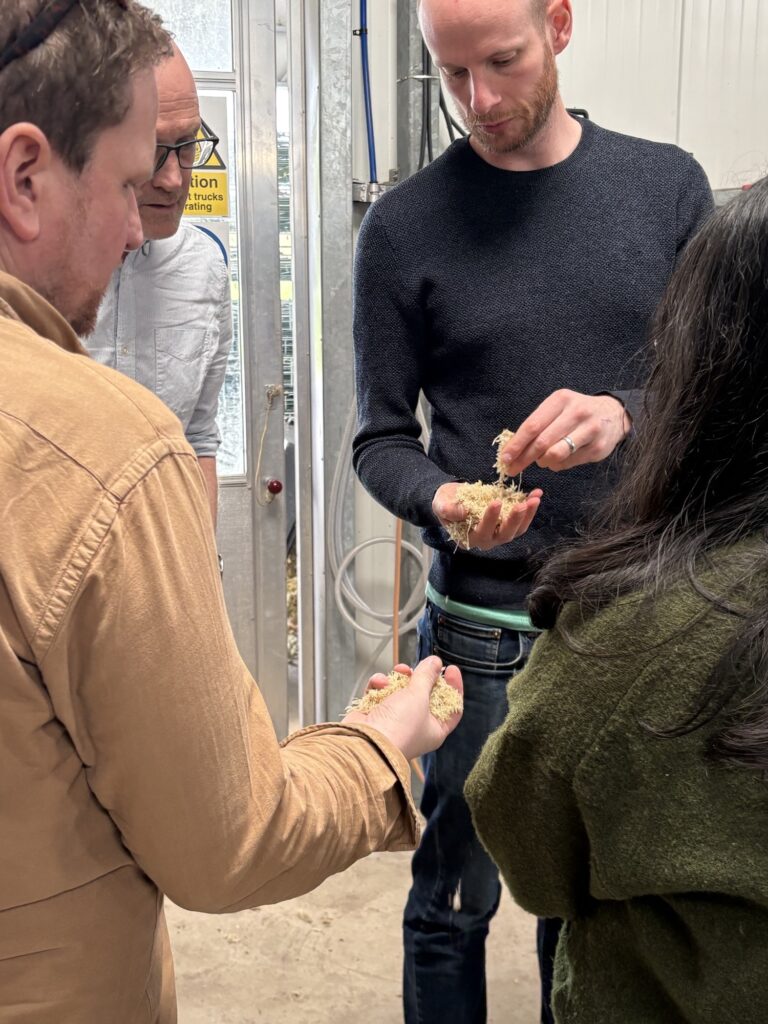
Great to host a visit from our friends at The Manchester Metropolitan University, to catch up with Chris Field, Fraser Baker & Bidhya Sharma. We are collaborating on the Horizon Palus Demos Project, in which we are scaling up Sphagnum Farming for use as a peat free alternative in horticulture. We’re looking forward to sharing results soon!


-

BeadaMoss out on the bog with Yorkshire Peat Partnership
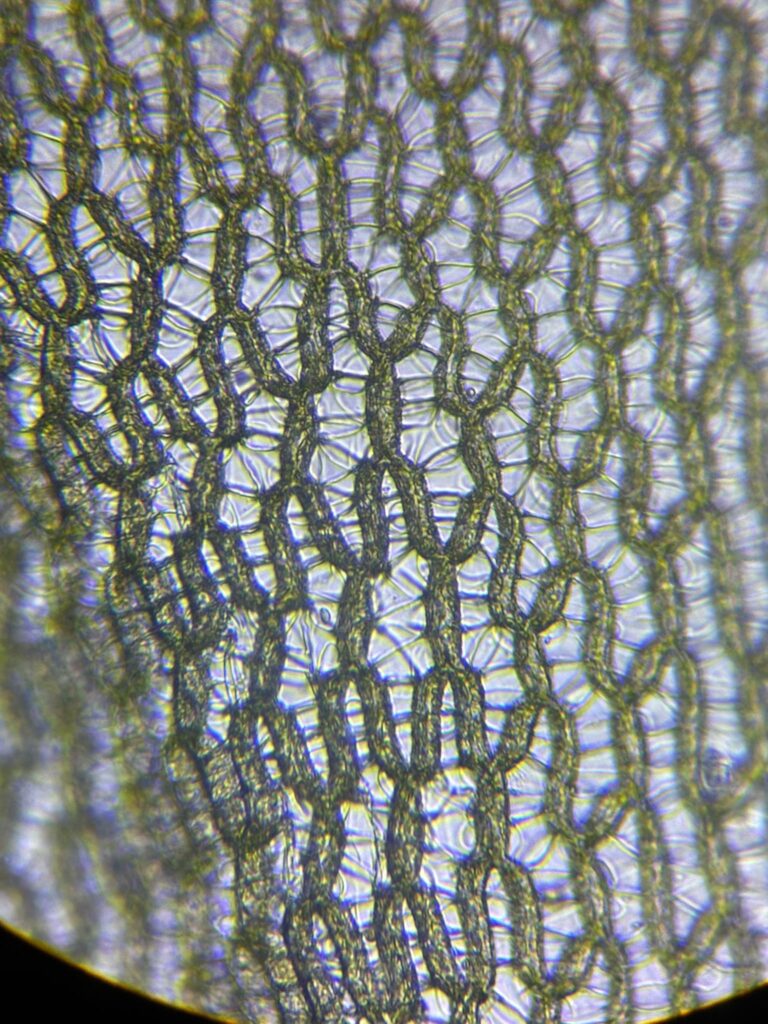
We had such a fun, informative few days on Yorkshire Peat Partnership‘s ‘Blanket Bog Indicator Species’ and ‘Introducing Sphagnum Moss’ training courses last month! We always love spending time on the bog, but it was particularly useful to have the opportunity to refresh our Sphagnum identification skills. It was also fascinating to observe the hyaline cells under a microscope.
Thank you so much for having us Yorkshire Peat Partnership, and a big thank you to Beth Thomas for delivering two fantastic courses. If you have the opportunity to, we would highly suggest booking onto both!



-
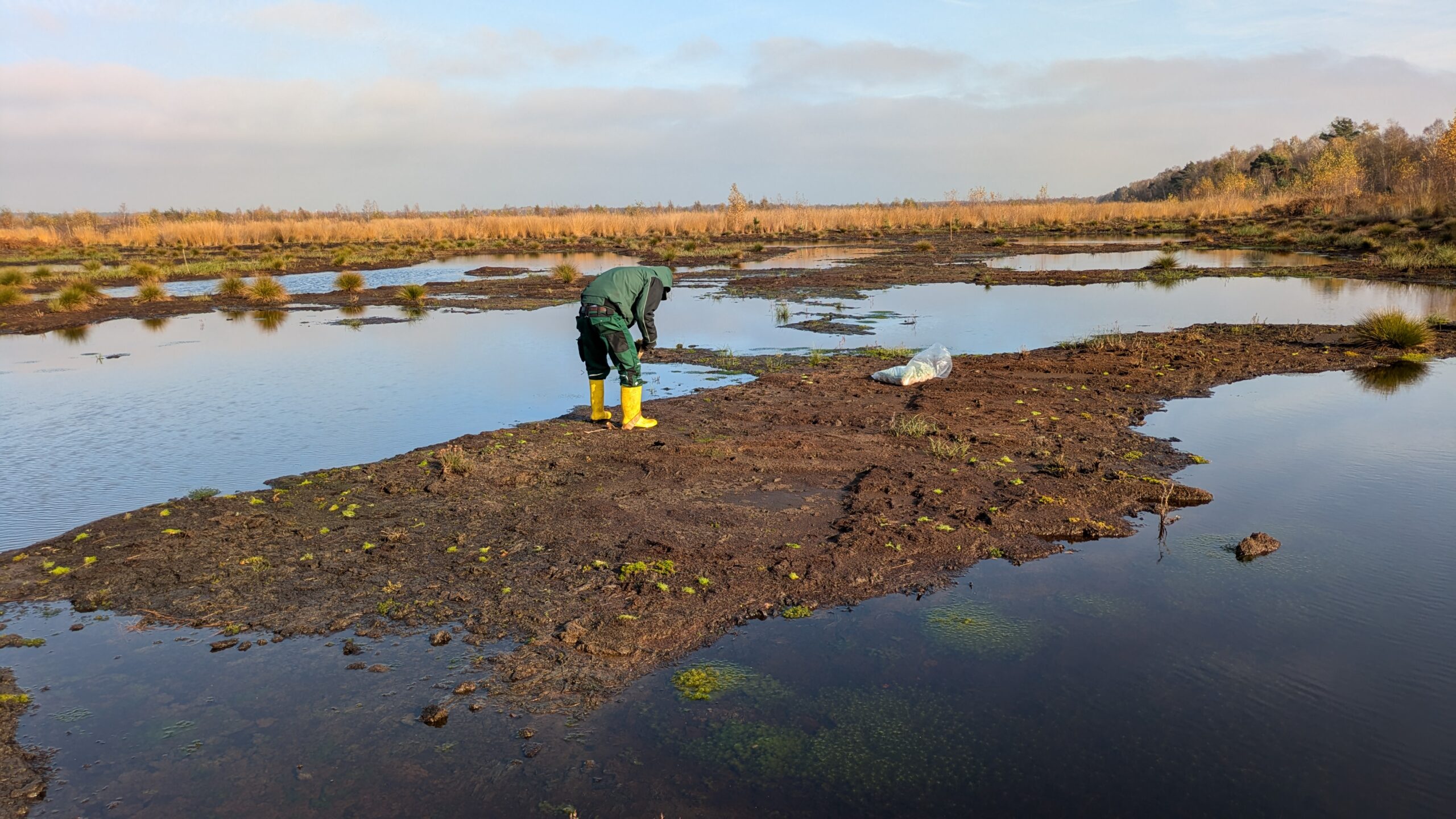
Case Study: BeadaHumok® supplied to Region Hannover for Totes Moor, Germany
We are pleased to share our new case study with our partners Region Hannover for their peatland restoration project on Totes Moor, Germany using our BeadaHumok® Sphagnum moss plugs.
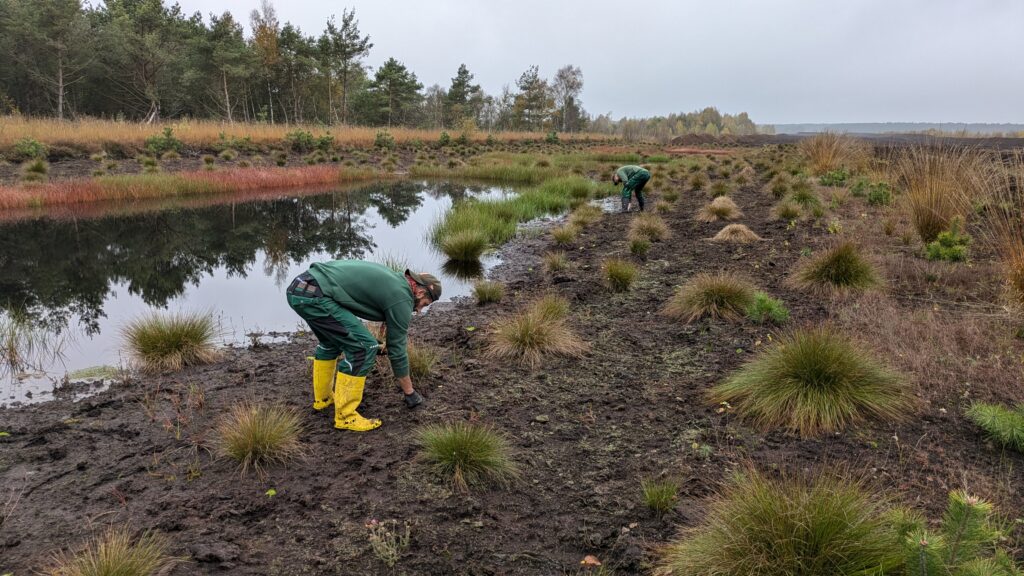
The full case study can be found below and also on our Resources & Research page:
-
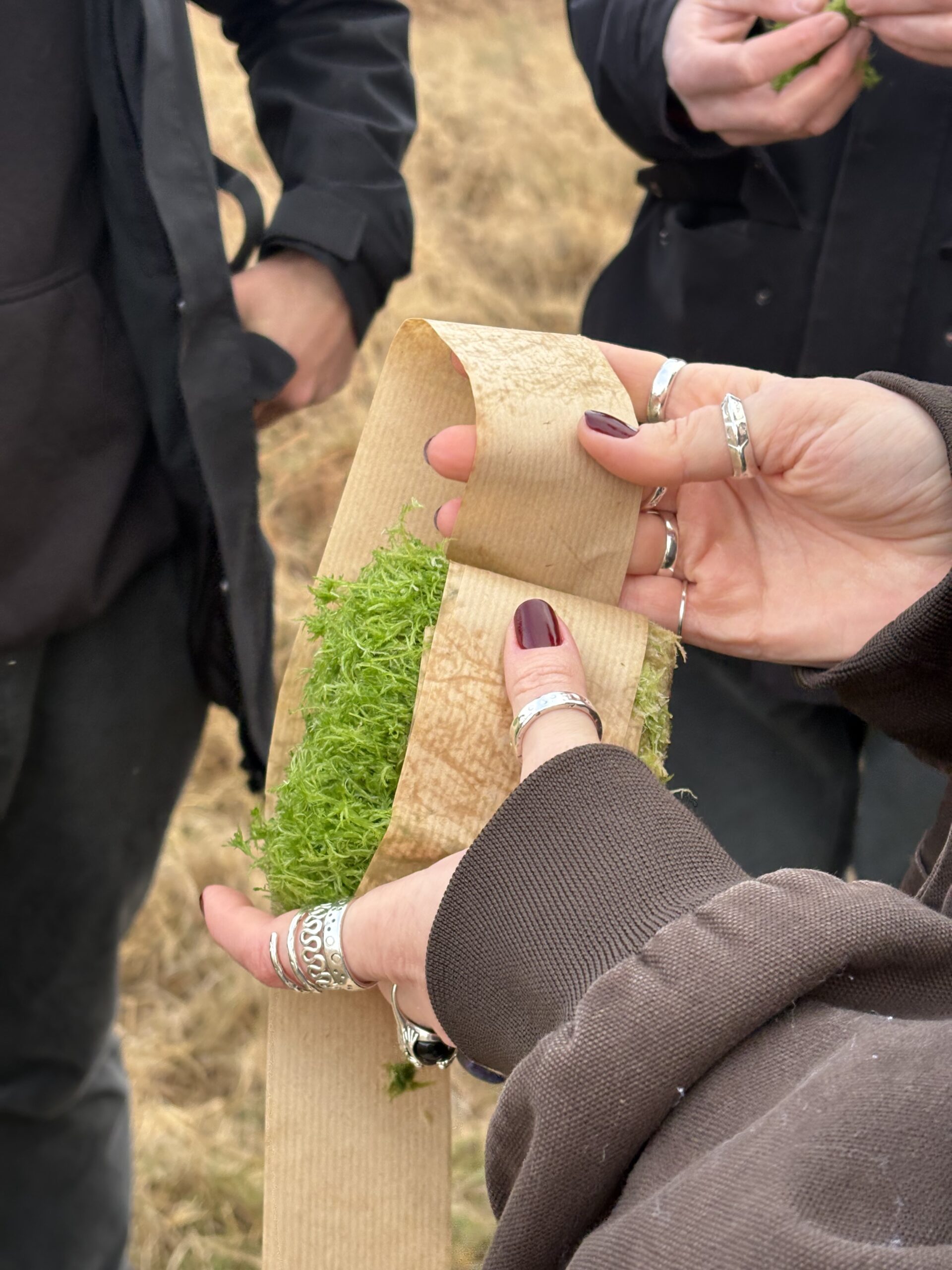
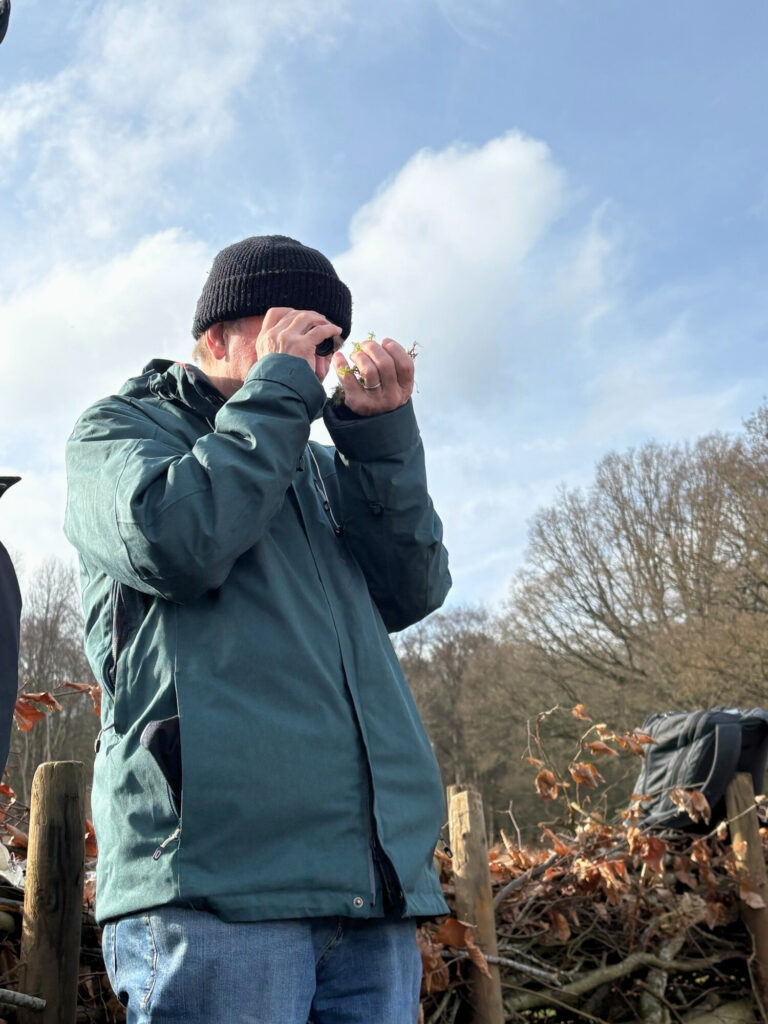
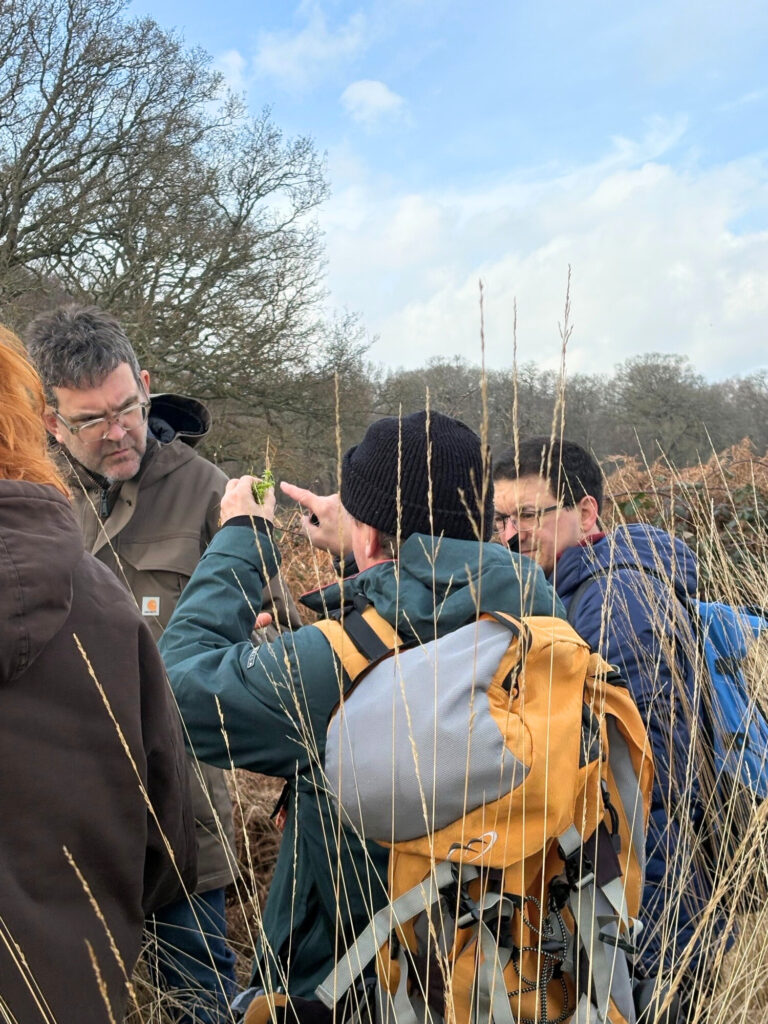
BeadaMoss visit Richmond Park for Sphagnum Moss reintroduction project
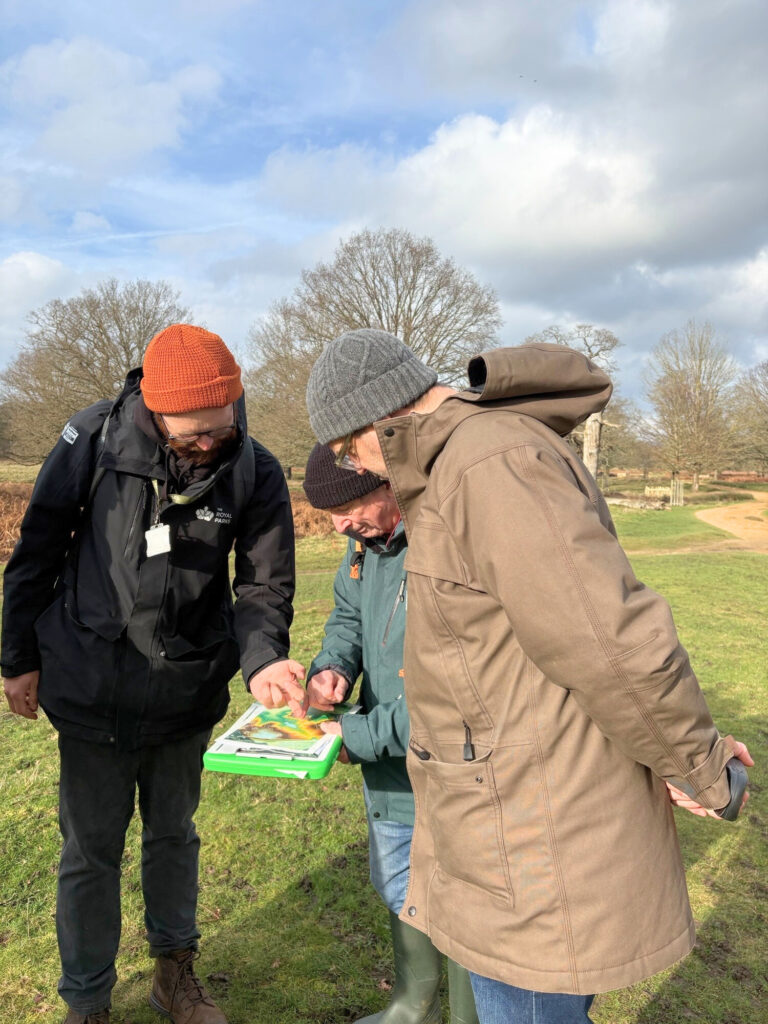
We had a fantastic start to the week thanks to The Royal Parks, who invited us on a site visit to Richmond Park in preparation for a project to reintroduce Sphagnum moss to the area.
A big thank you to Bobby, Peter and Holly from The Royal Parks for giving us a tour around the boggier spots of this impressive park.
And another big thank you to Richard Lindsay and Jack Clough from University of East London for joining us, providing us with their Sphagnum identification expertise and for showing us how amazing Sphagnum looks under a microscope.
Such a valuable, knowledge-sharing experience. We can’t wait to collaborate further on such an exciting project!



-
World Wetlands Day 2026
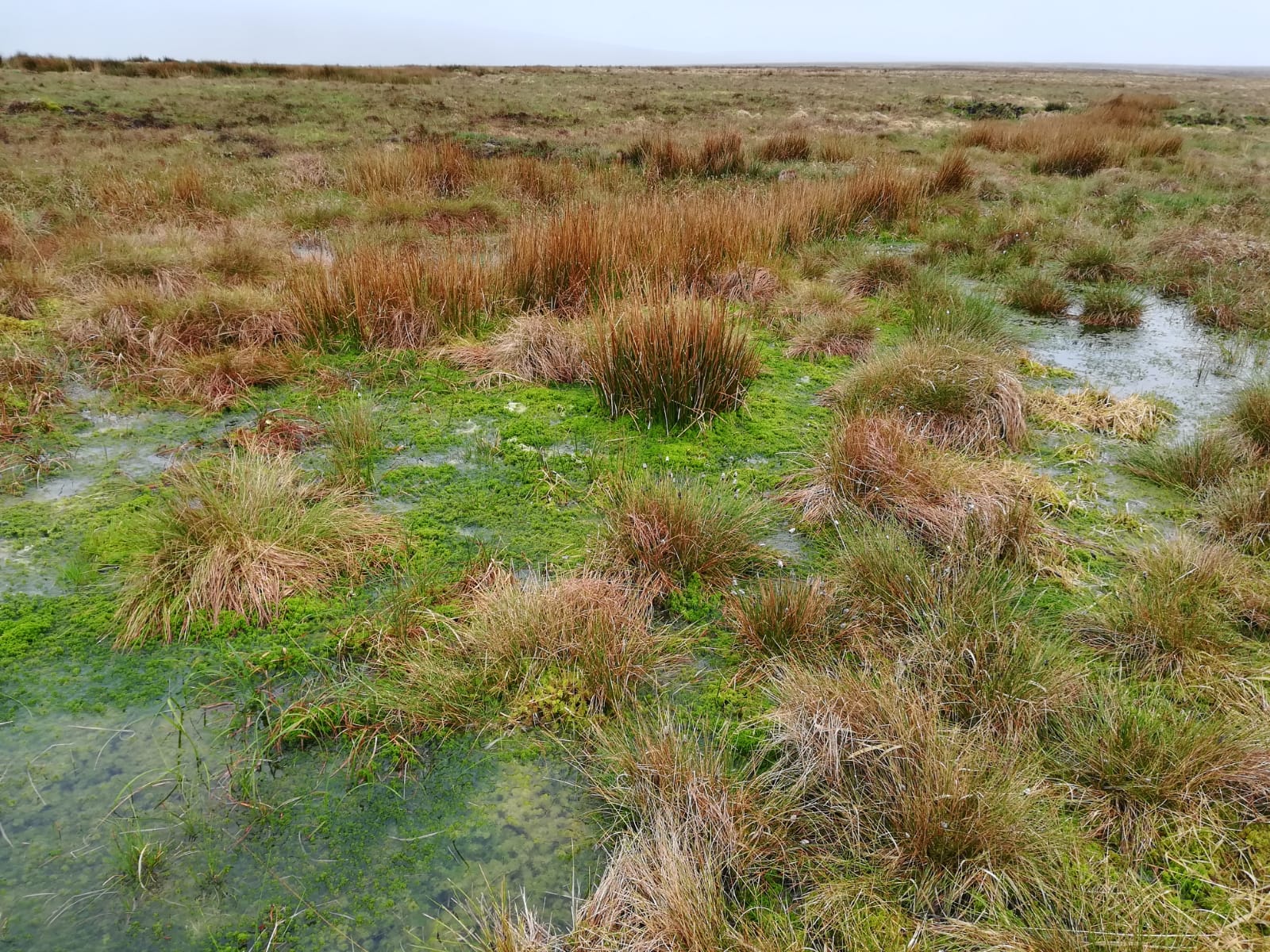
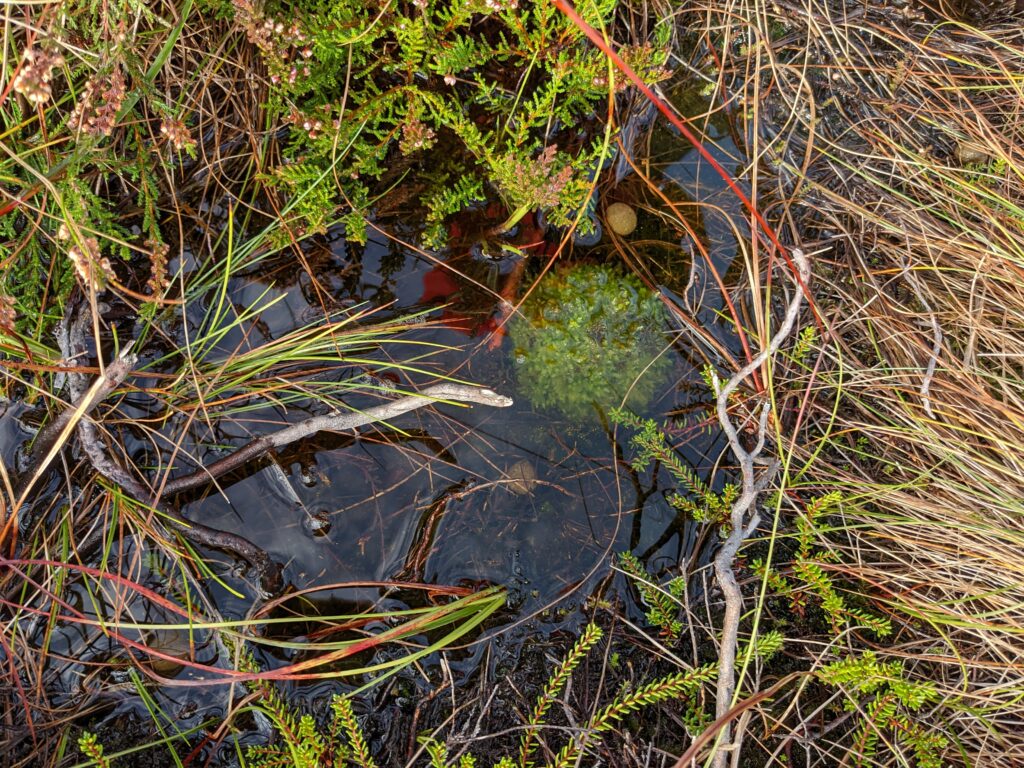
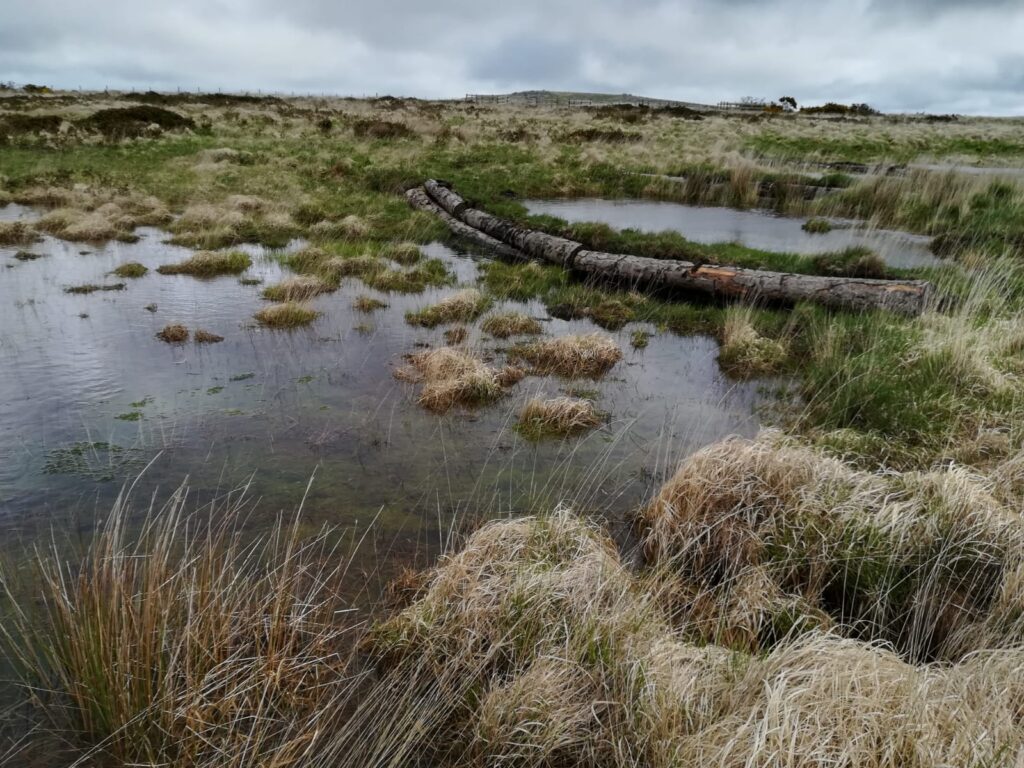
We’re celebrating World Wetlands Day today by shining the spotlight on our favourite type of wetland – peatlands. They provide crucial ecoservices such as promoting biodiversity, carbon storing and sequestration, flood and wildfire control, and water filtration to name a few.
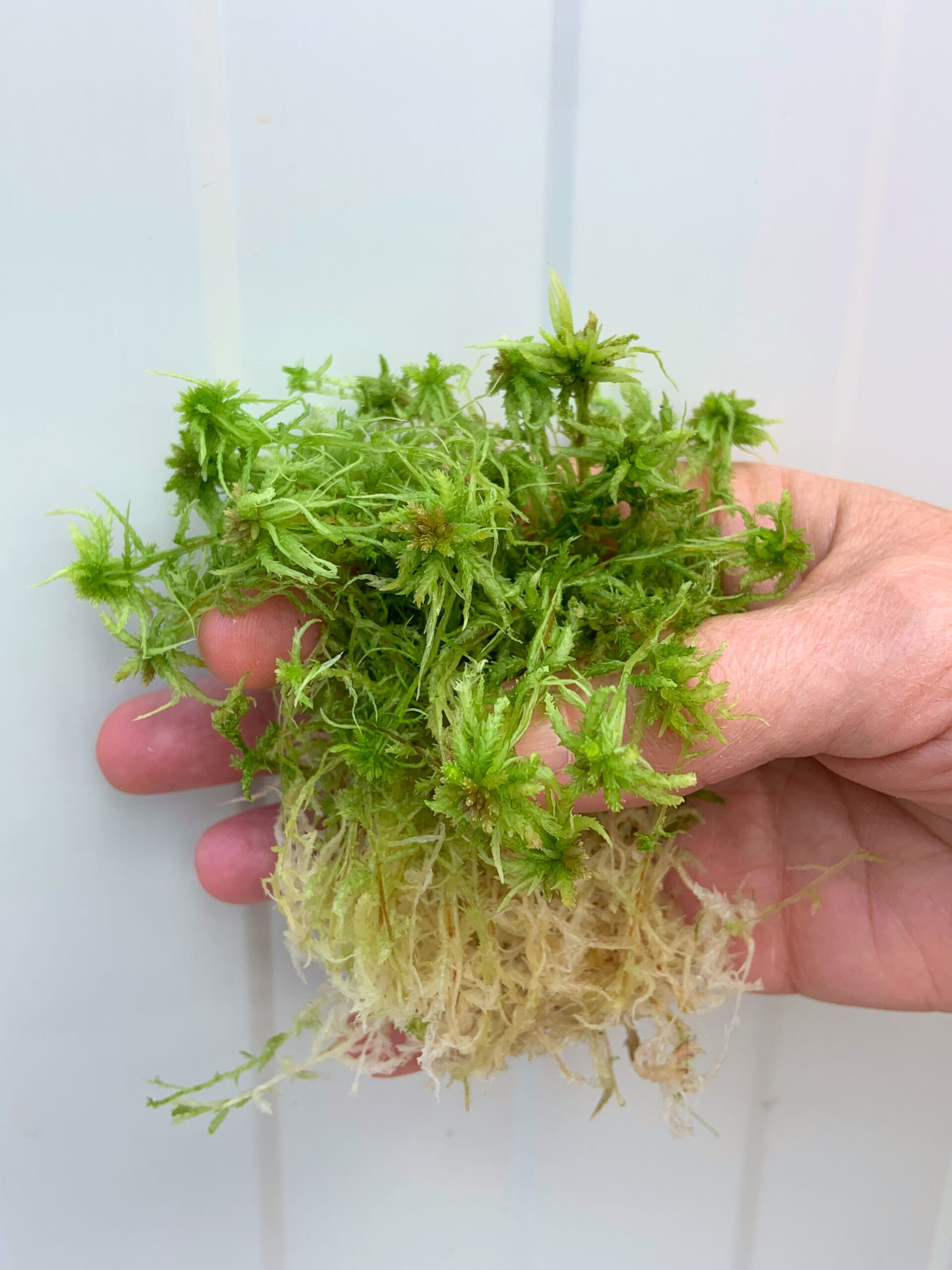
Sphagnum moss, the dominant peat former, can store huge quantities of water in its cells, and can hold up to 20x its own weight in water. Re-wetting damaged peatlands and reintroducing Sphagnum is key to preventing further CO2 emissions being lost from exposed peat and to help restore peatlands to carbon-sequestering sinks.
-
BeadaMoss supply their 25 Millionth BeadaHumok®
BeadaMoss have just supplied their 25 millionth BeadaHumok® for peatland restoration across the UK and Northern Europe! 🎉
A huge thank you to all of our partners for enabling us to contribute and support the restoration of one of the world’s most important ecosystems, from upland bogs to lowland peatlands.
Please follow our LinkedIn page for further updates on the world of Sphagnum, including news of incredible peatland restoration projects, the latest academic studies and more.For further information regarding our Sphagnum restoration work, click the link below: https://beadamoss.com/peatland-restoration-our-work/
-
BeadaMoss visit Hatfield Moor – January 2026
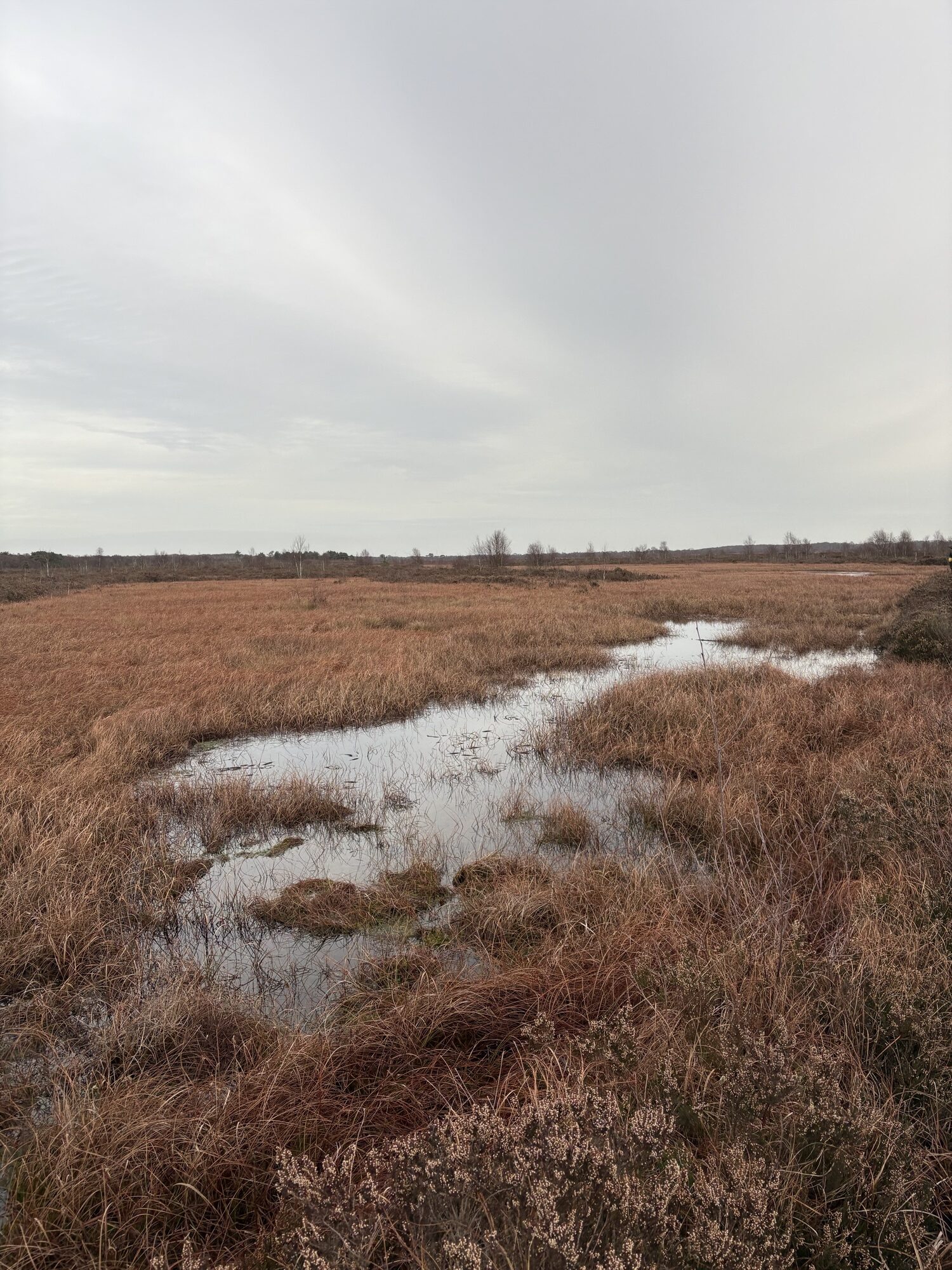
On Monday, we swapped our desks for the bog and visited our partners, Yorkshire Wildlife Trust and the Natural England Humberhead Peatlands National Nature Reserve team, on Hatfield Moor. A big thank you to Joe Carter for giving us a fun and educational tour and to Julian Small, Natural England, for providing an insight into different approaches required for lowland bogs in comparison to blanket bogs. It helped to put what we do into perspective.


We wanted to highlight this recently published video from LIFE Moor Site, showcasing the peatland restoration in action across the Humberhead Peatlands, carried out by Natural England staff and dedicated volunteers:
https://www.youtube.com/watch?v=I6iKE1-zKWU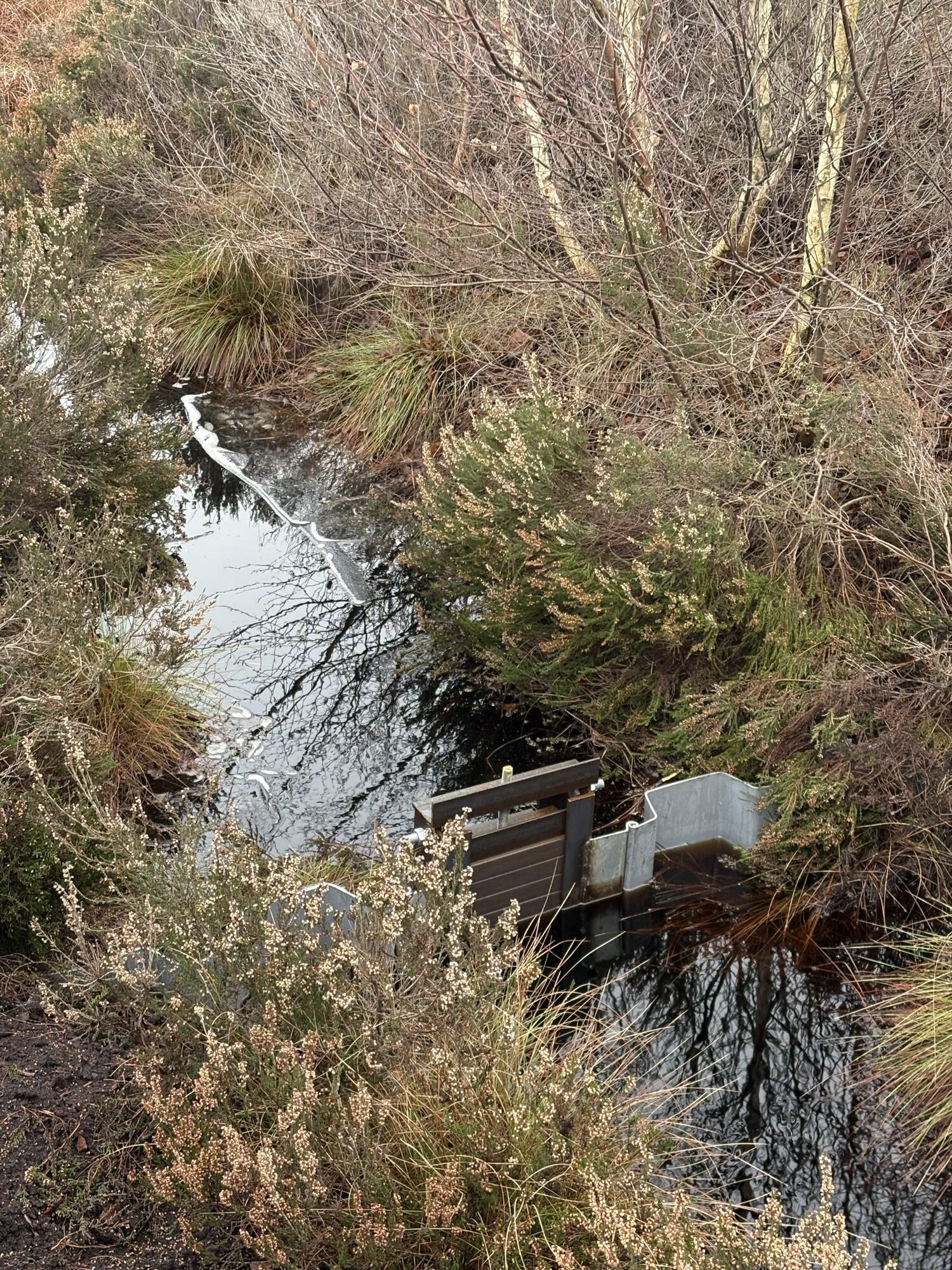
Follow us to see more updates from BeadaMoss and our partners.