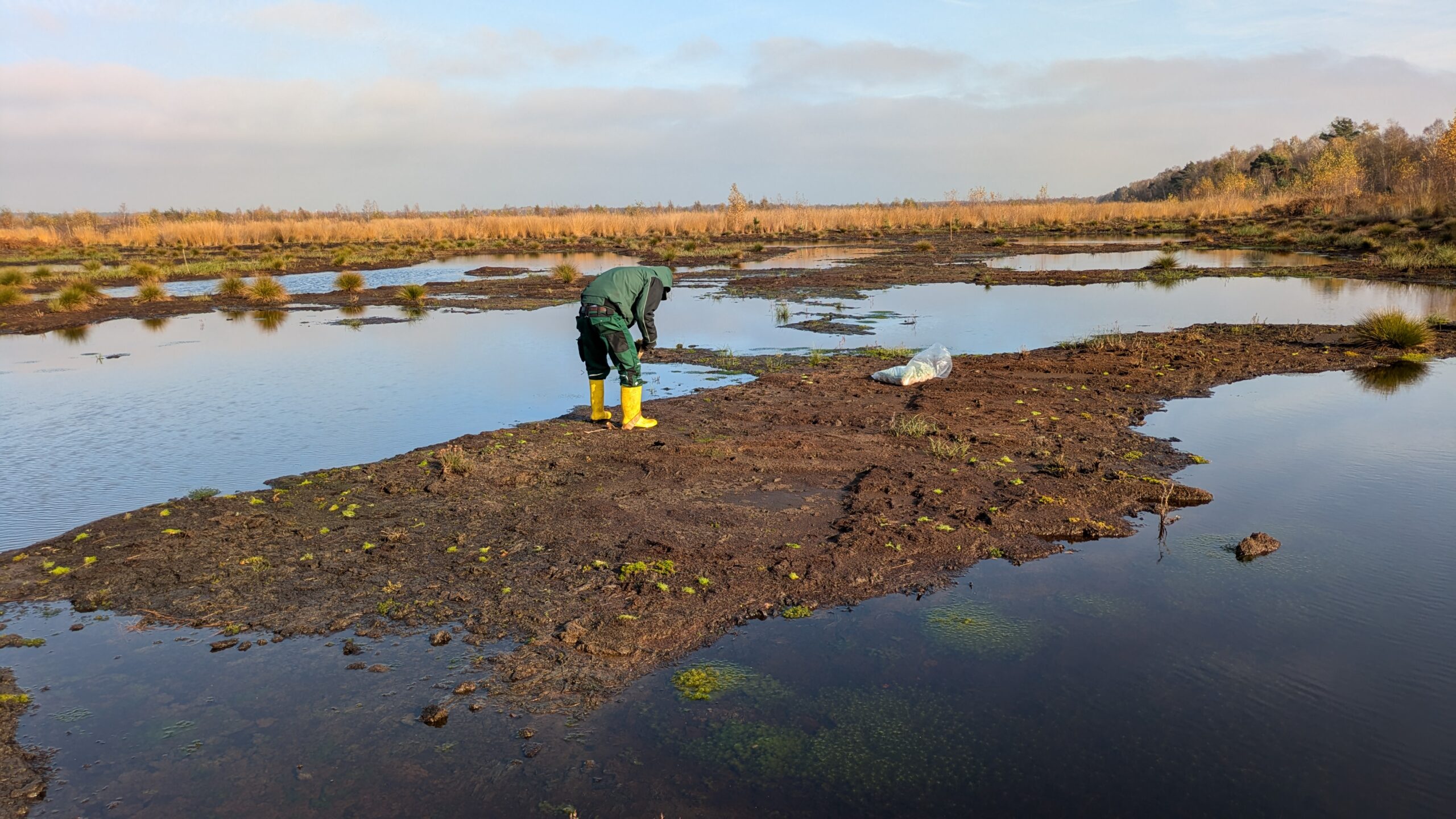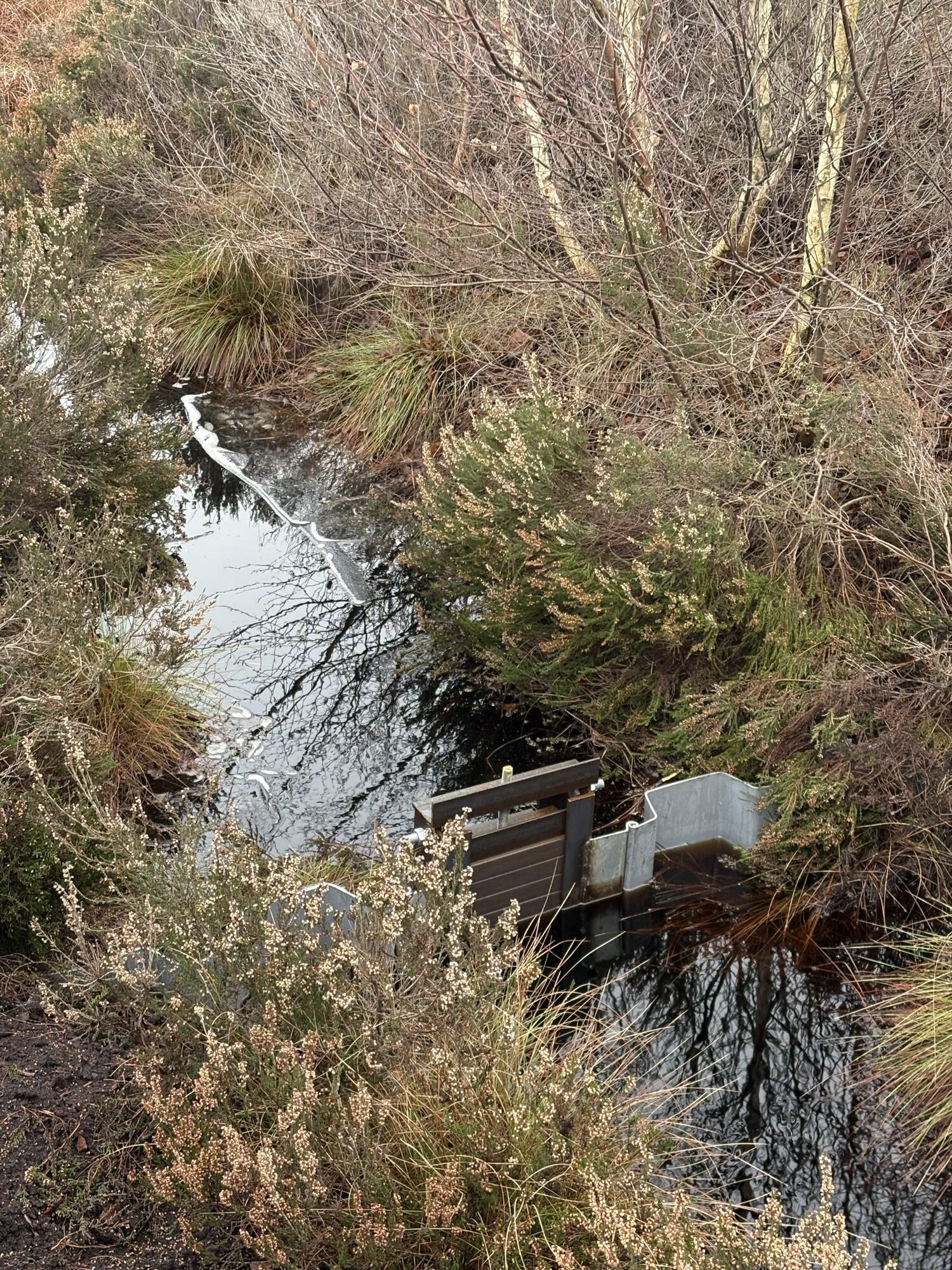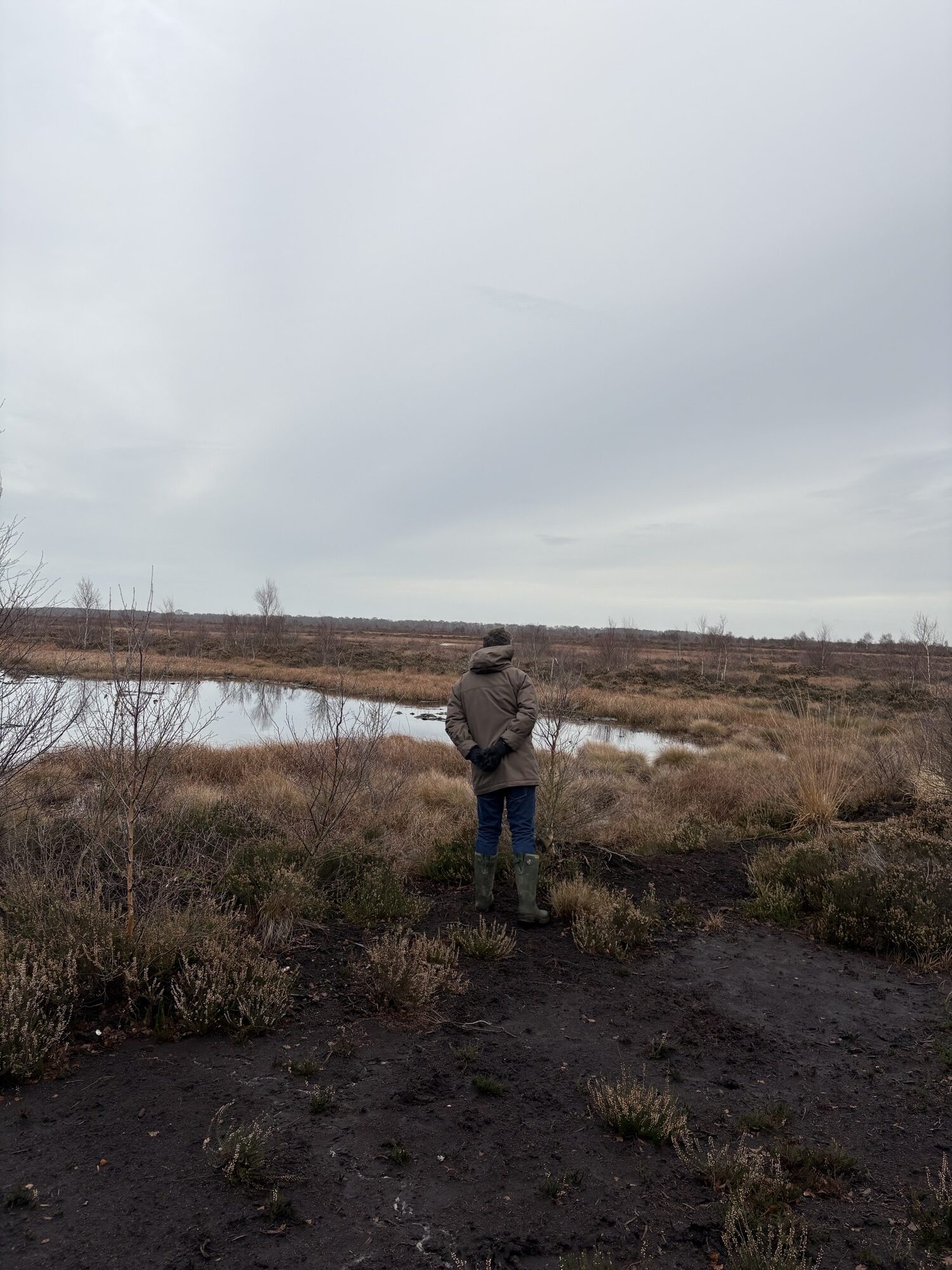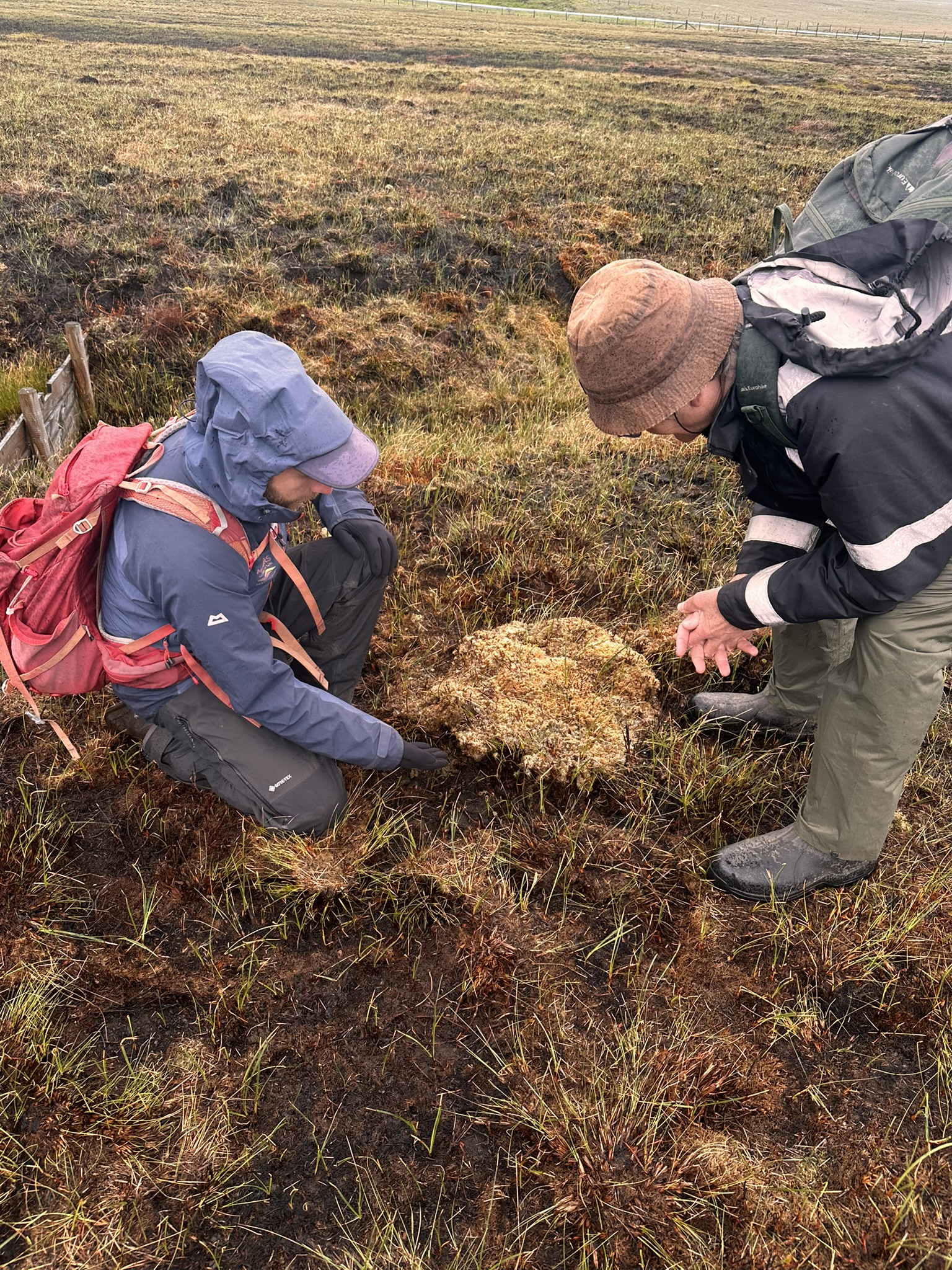
Like many involved in peatland restoration across the Peak District, we were deeply saddened to learn that a significant wildfire swept through the Featherbed Moor research site in early May.
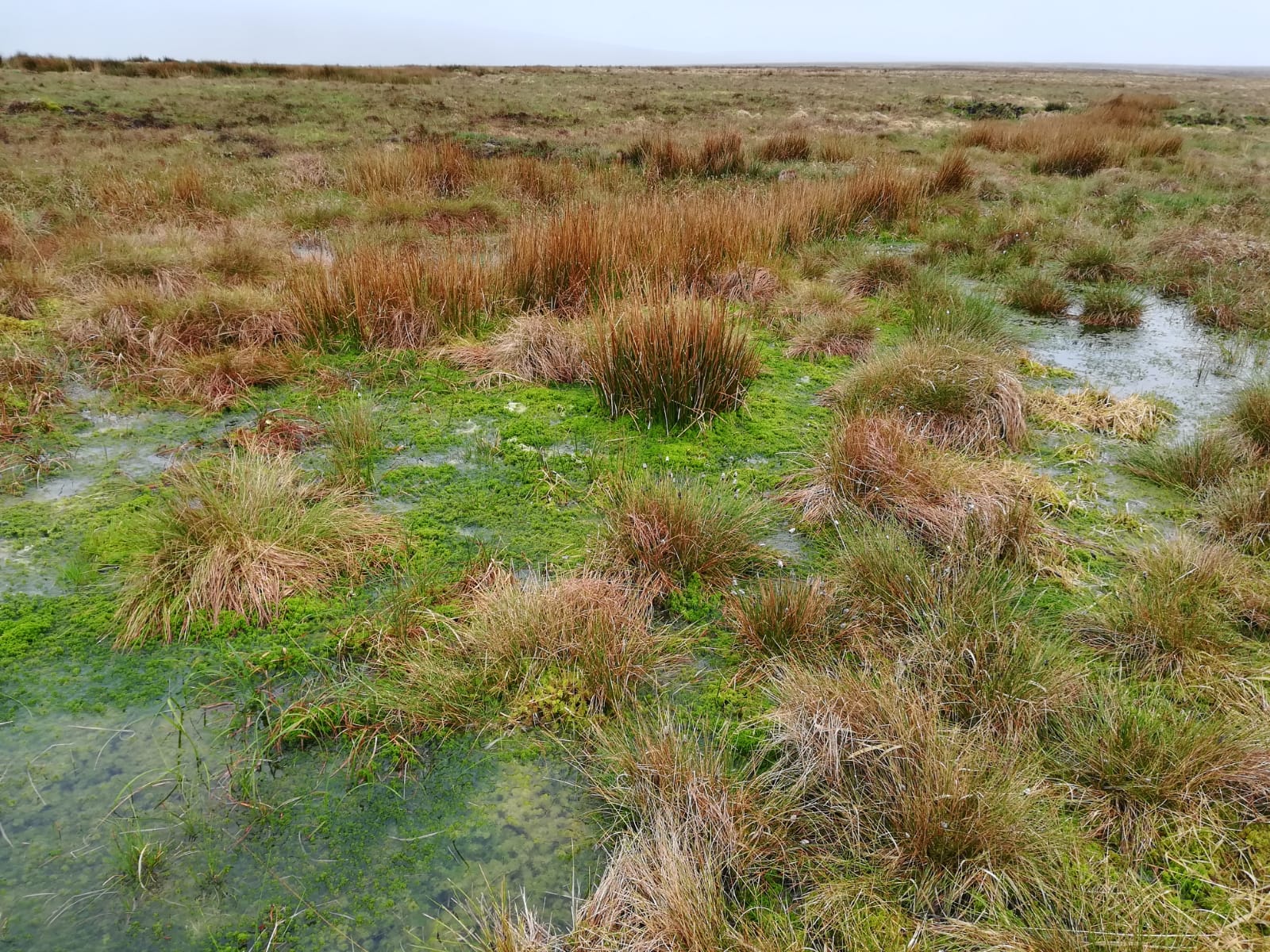
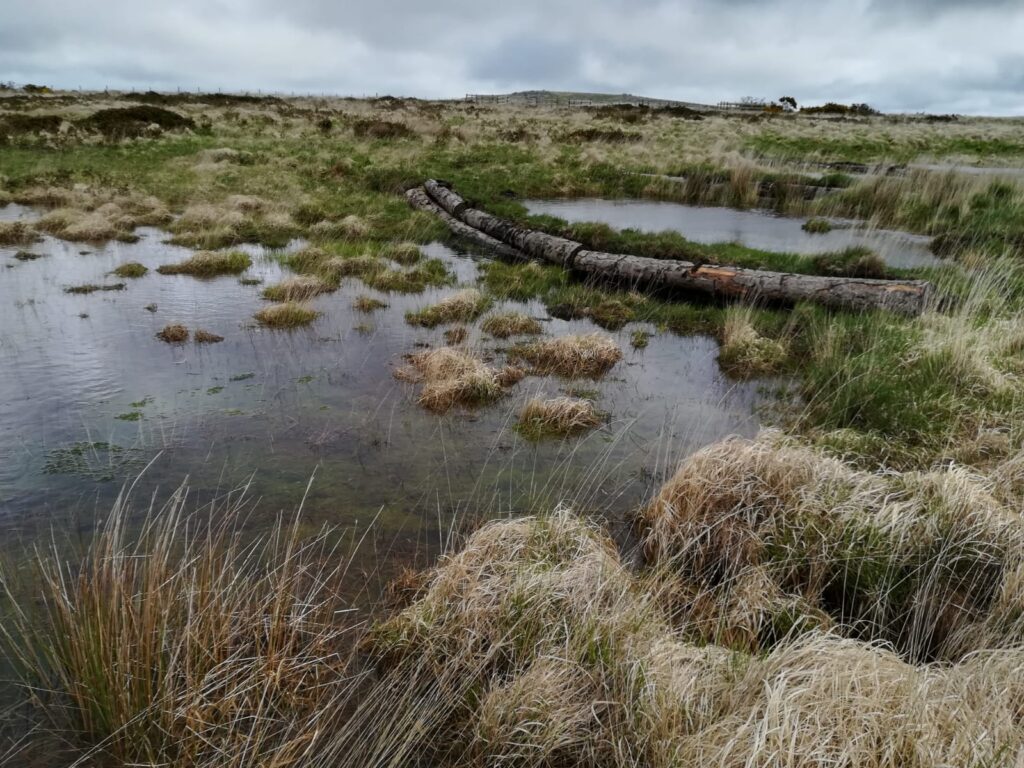
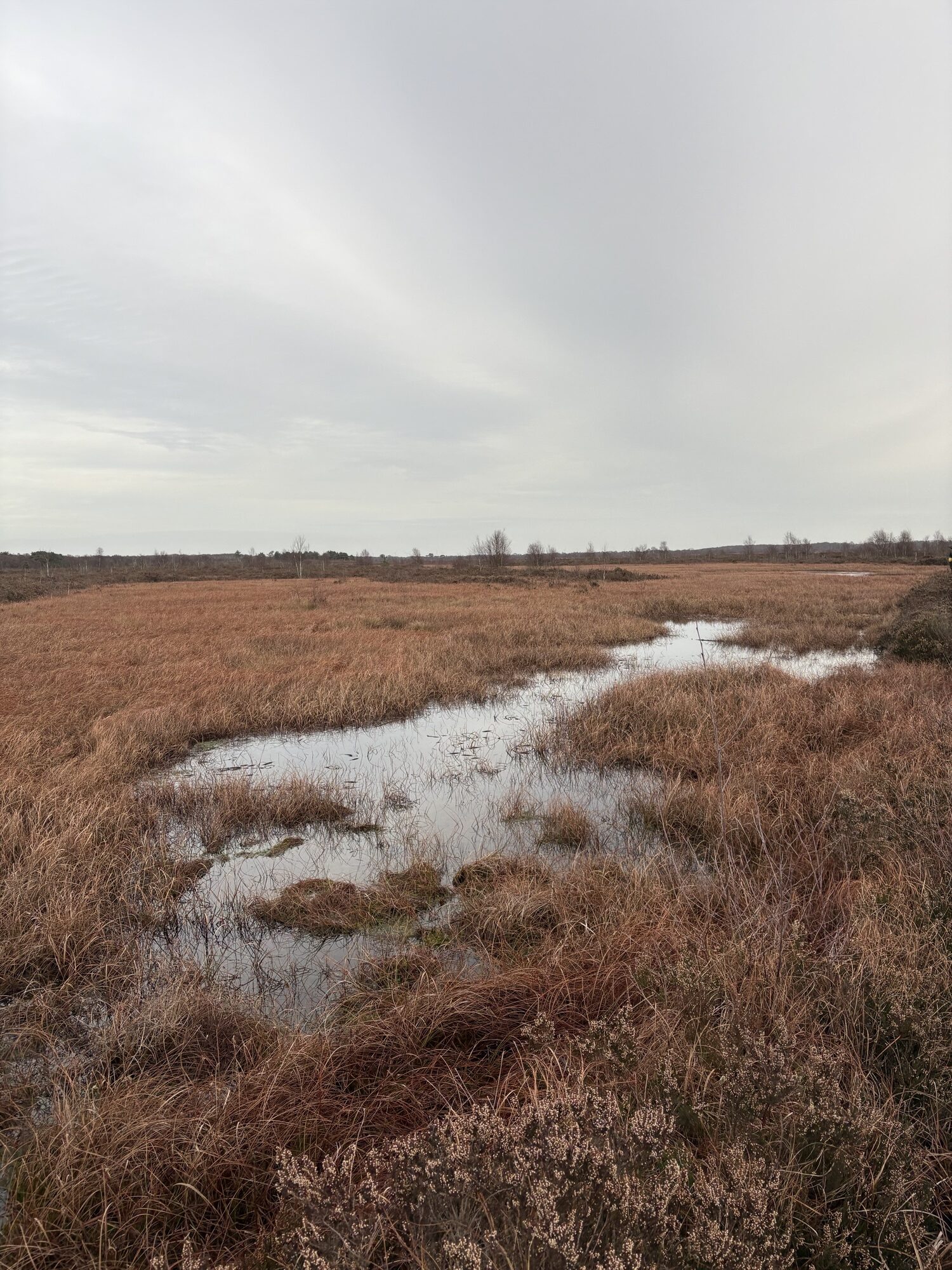
The fire impacted a major section of the innovative Sphagnum Lab project led by Moors for the Future Partnership, a large-scale research initiative designed to improve our understanding of Sphagnum establishment, peatland restoration, natural flood management and ecosystem resilience.
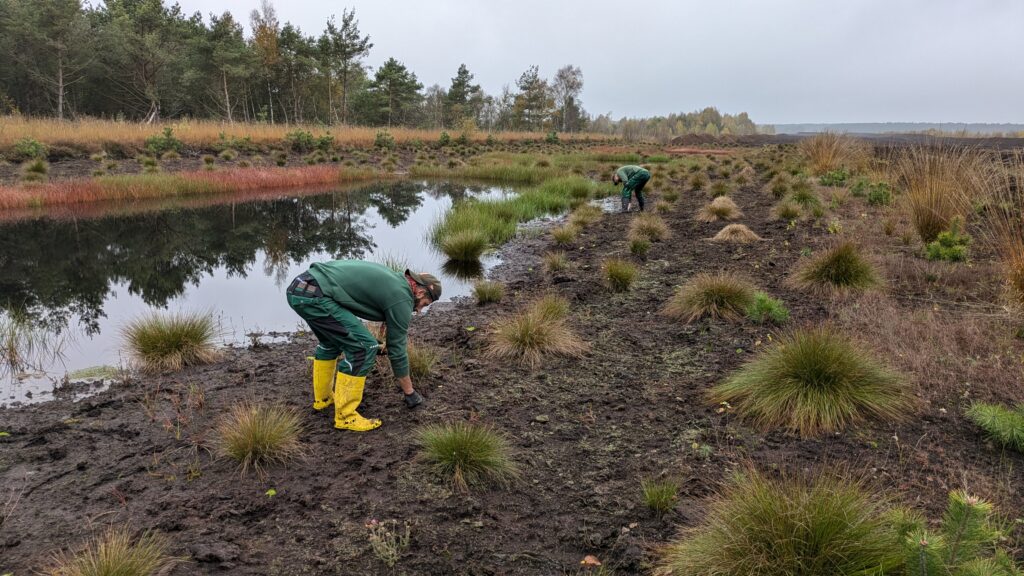
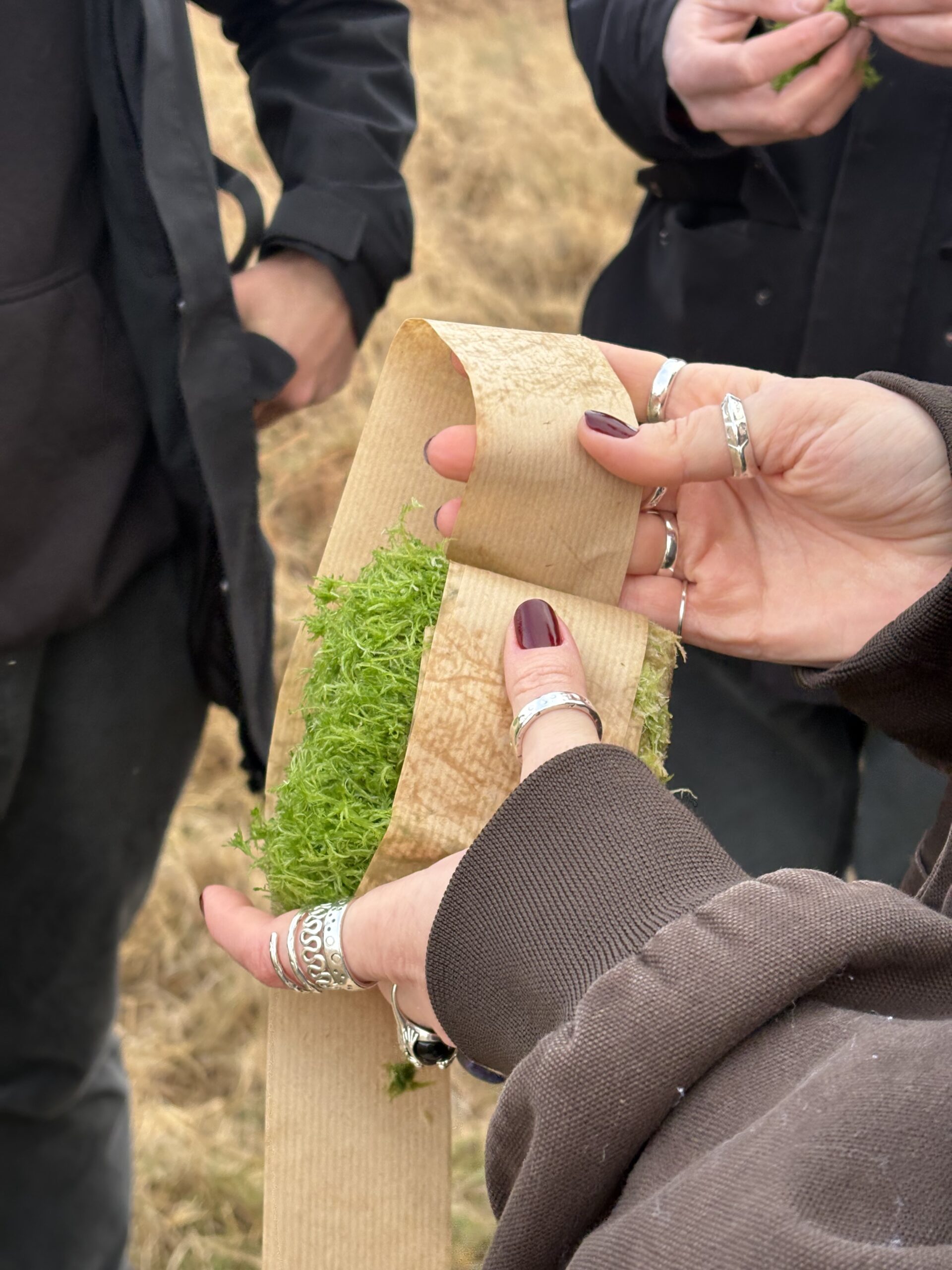
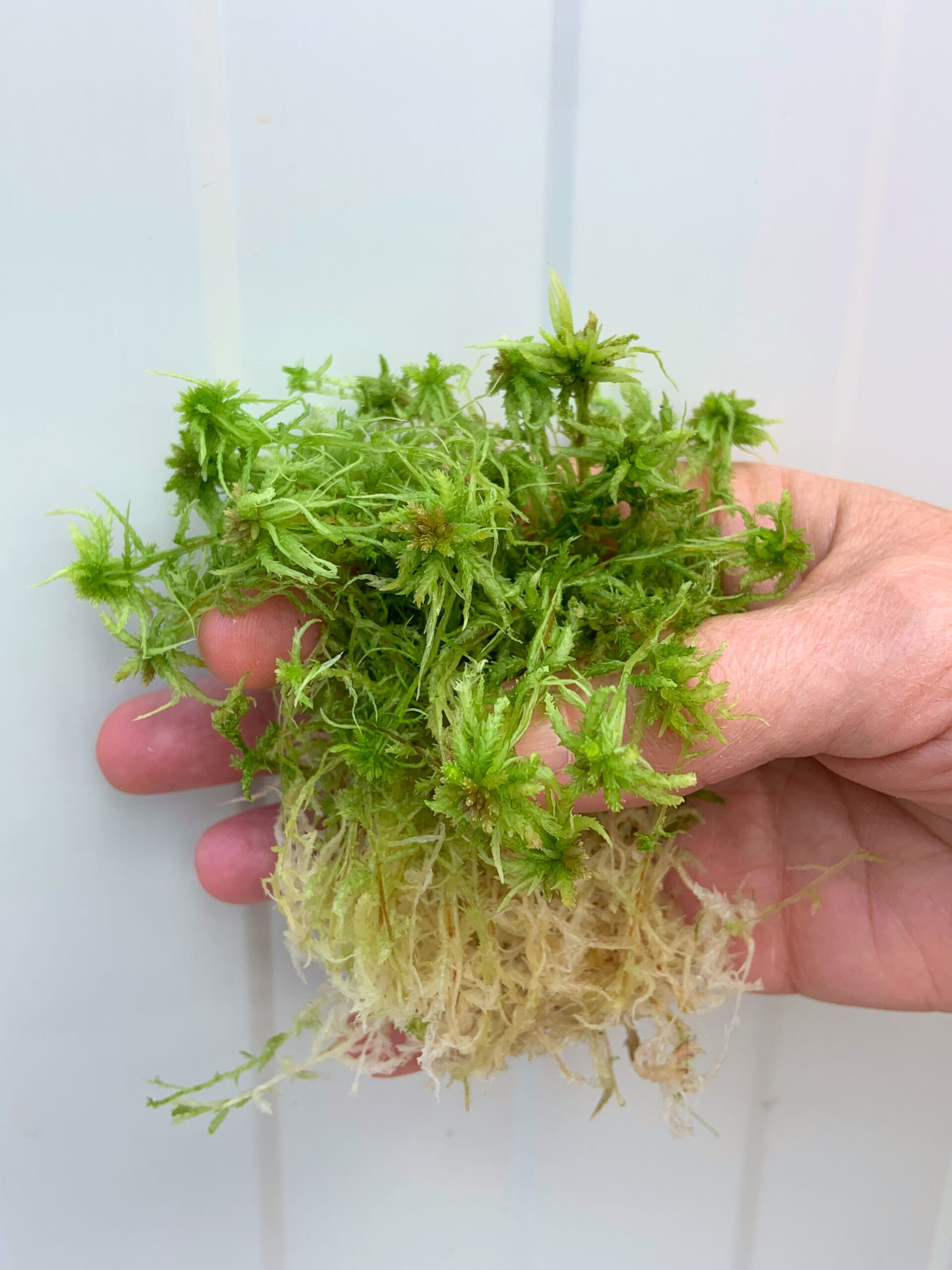
Earlier this year, more than 280,000 Sphagnum plug plants were established across the trial catchments, including 180,000 plugs donated by BeadaMoss. The project represented an important milestone in advancing evidence-based peatland restoration.
While the wildfire has undoubtedly affected the site and the surrounding habitat, early monitoring results have revealed an encouraging outcome.
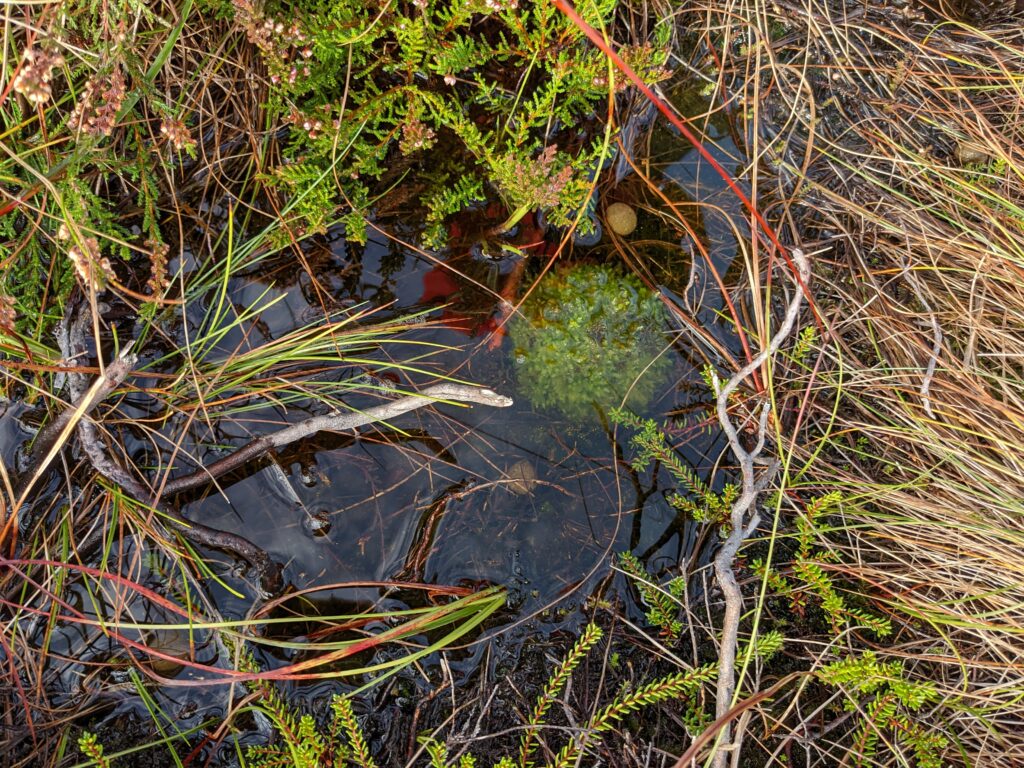
According to Tom Spencer, Research & Monitoring Officer at Moors for the Future Partnership, 195 of the 198 individual Sphagnum plugs located within the burn area remained present after the fire, representing a 98% survival rate. All grouped plantings remained intact, and monitoring found that, on average, the Sphagnum patches were 11% larger than when first measured in March.
“However, this is very clear, quantified evidence that Sphagnum doesn’t burn, even in areas where the fire was hot enough to melt plastic dipwells fully into the ground.” — Tom Spencer
While some plugs have understandably suffered stress and longer-term monitoring will be needed to assess future growth and survival, the findings provide valuable evidence of the resilience of Sphagnum moss in extreme conditions.
For BeadaMoss, these early results reinforce the important role that healthy peatland vegetation can play in building resilient landscapes. Sphagnum moss helps retain water, supports biodiversity, stores carbon and contributes to healthier peat-forming ecosystems.
We extend our sincere thanks to Tom Spencer and the Moors for the Future Partnership team for their ongoing monitoring work and commitment to sharing these important findings. Despite the setback caused by the wildfire, the research continues and will provide valuable insights for peatland restoration projects across the UK and beyond.
We look forward to following the next phase of monitoring and learning more about the long-term recovery of the site.
For further information:
www.beadamoss.co.uk